


May 6 – Ukrainian Armed Forces Infantry Day: The History of the Holiday and the Role of Soldiers on the Front Lines
- Ukrainian Armed Forces Infantry Day: When It Is Celebrated and What This Holiday Means
- The History of the Ukrainian Infantry: From the Past to the Present
- What tasks does the Ukrainian Armed Forces infantry perform on the front lines?
- Why is the infantry the foundation of the army?
- The Courage and Heroism of Ukrainian Infantrymen
- How can Ukrainians support the Ukrainian Armed Forces’ infantry?

Ukrainian Armed Forces Infantry Day is not just a date on the calendar, but a reminder of those who hold the most challenging sections of the front line every day. It is the infantry who are the first to enter battle, hold their positions, and liberate Ukrainian territories. Learn more about the significance of this holiday, the role of the infantry in the war, and how Ukrainians can support the military

On May 6, Ukraine honors those who are on the front lines every day and carry out the most difficult combat missions—the infantrymen of the Armed Forces of Ukraine. They are the first to engage in battle, hold their positions under constant fire, and maintain control over territories even under the most extreme conditions.
In modern warfare, the role of the infantry has only grown. Despite advances in technology, drones, and precision weapons, it is the soldier’s presence on the ground that determines the outcome of a battle. Infantrymen operate in direct contact with the enemy, participating in assaults, defense, and mopping-up operations, often risking their lives every day. That is why Infantry Day is not a mere formality, but an opportunity to once again emphasize the importance of this service to the country and pay due tribute to the courage of Ukrainian soldiers.
In our previous article, we described how Ukraine is turning its resources into an instrument of revival and international recognition.

Ukrainian Armed Forces Infantry Day: When It Is Celebrated and What This Holiday Means
Infantry Day of the Armed Forces of Ukraine is celebrated annually on May 6. This official military holiday was established in 2019 by a decree of the President of Ukraine to highlight the key role of infantry units in defending the state and to honor the courage of the military personnel who carry out combat missions directly on the front lines.
The date was not chosen at random. It is symbolically linked to military traditions and the image of the warrior-defender, as the beginning of May has historically been associated with a period of active combat operations and military campaigns. In the modern context, this date has taken on an even deeper meaning—as a day of gratitude to those who hold the front lines every day.
Today, Infantry Day is not only a professional holiday for the military but also an important day for all of society. It serves as a reminder of the decisive role of infantrymen in war, as they are the ones who directly control territories, hold positions, and ensure the success of combat operations.
In our previous article on the fourth anniversary of the full-scale invasion, we described how Ukrainians commemorate the bloody events and tirelessly fight for their right to independence.
The History of the Ukrainian Infantry: From the Past to the Present
The Ukrainian infantry has deep historical roots that have been shaped over the centuries alongside the struggle for independence and statehood. As far back as the times of Kievan Rus’, the core of the army consisted of infantry units—well-trained warriors who participated in the defense of cities and military campaigns. Even then, it was the infantry that played a key role in battles, especially during the siege of fortifications and the defense of territories.
During the Cossack era, the importance of the infantry only grew. The Zaporozhian Cossacks combined mobility with high combat effectiveness, and their infantry was considered one of the strongest in 17th-century Europe.
Cossack units actively used firearms, fortifications, and maneuver warfare tactics, which allowed them to successfully withstand significantly larger armies. The battles of Zhovti Vody, Korsun, and Pyliavtsi became examples of how well-organized infantry can determine the outcome of large-scale military campaigns.
In the 20th century, the Ukrainian infantry went through complex phases: from participating in the liberation struggles of 1917–1921 to the formation of units within various military structures. During World War II, millions of Ukrainians fought in infantry units, and the experience of these battles significantly influenced the development of modern military tactics.
After Ukraine regained its independence in 1991, the formation of its own Armed Forces began, with the infantry once again becoming the backbone of the ground forces. However, the real transformation took place after 2014. With the outbreak of war in eastern Ukraine, infantry units quickly adapted to the new conditions: approaches to training, equipment, and combat tactics were revised. NATO standards were actively implemented, and coordination with artillery, reconnaissance, and unmanned systems was developed.
Following the full-scale invasion in 2022, the role of the infantry became even more critical. It was the infantrymen who participated in key defensive and offensive operations: from the battles for the Kyiv and Kharkiv regions to the protracted and extremely complex battles in the east and south of the country. In the midst of intense combat operations, where technology plays a significant role, it is the infantry that remains the decisive factor, as only the presence of troops on the ground allows for securing gains and holding territory.
Don't want to miss important updates and useful articles? Subscribe to our weekly newsletter!
What tasks does the Ukrainian Armed Forces infantry perform on the front lines?
The infantry of the Ukrainian Armed Forces carries out the most complex and dangerous combat missions, operating in direct contact with the enemy. It is these units that operate “at zero”—on the front line, where the outcome of a specific battle and often the entire operation is decided.
Despite advances in technology, artillery, and drones, no system can fully replace the infantry. It is the ground troops who enter populated areas, secure positions, and control the territory.
The main tasks of the infantry include:
1. Assault operations – attacking enemy positions, breaking through defenses, and capturing strategic points
2. Holding the line – defending positions under constant shelling and attacks
3. Clearing territories – inspecting and controlling liberated settlements
4. Close combat – operations in challenging environments, including trenches, forests, and urban areas
5. Interaction with other units – coordination with artillery, tanks, drones, and reconnaissance
6. Setting up positions – constructing fortifications, trenches, and defensive lines
The adaptability of the infantry plays a distinct role. Soldiers are forced to quickly change tactics depending on the situation: operating under the constant threat of artillery, FPV drones, and airstrikes, and acting in conditions of limited visibility and complex terrain.
That is precisely why the infantry is not just one of the branches of the military, but a key element of any combat operation. Without its participation, it is impossible to either consolidate the results of an offensive or effectively contain the enemy.
In our previous article, we talked about the history of the approval of the National Flag of Ukraine.
Why is the infantry the foundation of the army?
Despite the rapid development of military technology, it is the infantry that remains the foundation of any army. No modern weapon—from high-precision artillery to drones—is capable of holding territory or completing a combat operation on its own. The final outcome always depends on the soldiers who are physically present on the ground.
The infantry operates where other branches of the military merely create the conditions for action. Artillery weakens the enemy, aviation delivers strikes, drones conduct reconnaissance—but it is the infantry who take up positions, secure them, and control them. Without this, it is impossible to speak of real success on the front lines.
Key reasons why the infantry is the backbone of the army:
1. Direct control of territory—only the infantry can hold positions and ensure a physical presence on the ground
2. A decisive role in combat—it is actions on the ground that determine the outcome of assaults and defensive operations
3. The highest level of risk—infantrymen are under constant fire and operate in the most challenging conditions
4. Flexibility and adaptability – the ability to operate in various environments: from open terrain to urban combat
5. Other units’ dependence on the infantry – even the most advanced equipment is useless without subsequent consolidation of the result
This is particularly evident in the current war in Ukraine. Even after large-scale fire strikes or technological operations, it is the infantry that completes combat missions—entering populated areas, conducting mop-up operations, and holding positions under constant pressure.
To learn more about the results of the Gradus study “Ukraine 2035: Strength, Vulnerability and Potential of the Country”, please follow the link.
The Courage and Heroism of Ukrainian Infantrymen
Service in the infantry is daily work at the limits of physical and psychological endurance. It is the infantrymen who are closest to the enemy, often just a few dozen meters away, under constant threat of shelling, drones, and surprise attacks. Their reality consists of trenches, harsh weather conditions, sleep deprivation, and unrelenting stress that lasts for weeks and months.
The courage of the infantry is evident not only in major offensives or the liberation of territories, but also in their daily endurance. In their ability to hold their positions under fire, carry out orders despite fatigue and risk, support their comrades, and maintain control in critical situations. It is precisely this resilience that often becomes the decisive factor when equipment fails, communications are lost, and the situation changes by the minute.
Ukrainian infantrymen have repeatedly proven their effectiveness in the most difficult battles. Defending key cities, holding positions under massive attacks, and participating in offensive operations have shown that the human factor remains decisive even in a war of technology. Behind every success lies not only training but also strength of character, the ability to act under constant risk, and responsibility for the outcome.
This heroism is not always loud and public. Often, it is an unnoticed but critically important task—day after day, carrying out combat missions, ensuring stability on the front lines, and enabling other units to operate effectively. That is why Infantry Day is, above all, a day to honor the endurance, strength, and dedication of Ukrainian soldiers who are holding the front lines during the country’s most difficult time.
How can Ukrainians support the Ukrainian Armed Forces’ infantry?
Supporting the infantry is not just the responsibility of the state or volunteer organizations. Every Ukrainian can contribute to strengthening the country’s defense capabilities and help those who risk their lives daily on the front lines. Even small actions, when scaled across the entire country, translate into tangible assistance for military units.
The most effective ways to support the infantry:
1. Donate to verified funds and units – financial aid allows for the rapid fulfillment of needs for equipment, vehicles, and medical supplies
2. Volunteering – participating in logistics, procurement, or informational support
3. Supporting local initiatives – helping specific brigades or soldiers in need of equipment
4. Information responsibility – do not share sensitive information and maintain trust in the Armed Forces of Ukraine
5. Respect and attention to the military – from simple gratitude to participating in charitable events
It is important to understand that even a small contribution can have a real impact, as the needs of the infantry remain constant: from basic equipment to modern technology.
You can support Ukrainian defenders today not only with words but also with concrete actions. One simple way is to choose patriotic merchandise from Visit Ukraine: clothing and accessories featuring Ukrainian symbols that combine style and meaning. This is an opportunity to show your stance, maintain a sense of unity, and at the same time contribute to supporting the country.
Honor the heroes of the past and support those who defend Ukraine today - purchase patriotic merchandise at Visit Ukraine!

We remind you! Ukraine is undergoing a moment of rethinking itself — a country that defends freedom while opening its culture, nature, and history to the world as a source of inspiration and strength. From art to sustainable tourism, every direction is becoming part of the global conversation about modern identity and development. Read more about how Ukraine is transforming its resources into a tool for revival and international recognition.
Want to know more? Read the latest news and useful materials about Ukraine and the world in the News section.
We recommend purchasing it for a safe and comfortable trip to Ukraine:
Visit Ukraine Insurance – insurance covering military risks for entry and travel in Ukraine;
Visit Ukraine Car Insurance – car insurance with extended coverage in Ukraine;
Visit Ukraine Legal Advice – comprehensive legal support on entry to Ukraine;
Visit Ukraine Tickets – bus and train tickets to/from Ukraine;
Visit Ukraine Tours – the largest online database of tours to Ukraine for every taste;
Visit Ukraine Hotels – hotels for a comfortable stay in Ukraine;
Visit Ukraine Merch – patriotic clothing and accessories with worldwide delivery.
© 2018-2026, Visit Ukraine. Use, copying or reprinting of materials on this site is permitted only with a link (hyperlink for online publications) to Visit Ukraine.
All rights reserved.
Recommended articles
3 min
Events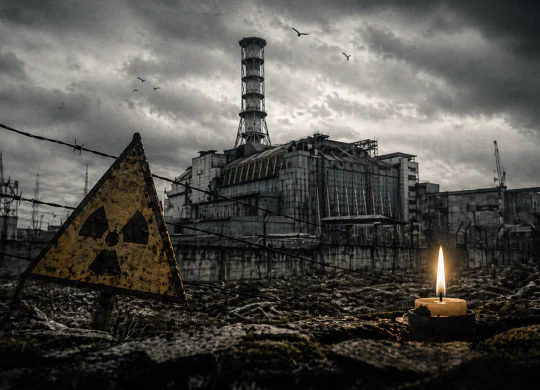
26 kwietnia 1986 roku miała miejsce jedna z najgorszych katastrof spowodowanych przez człowieka w historii ludzkości: eksplozja w Elektrowni Jądrowej w Czarnobylu. Promieniotwórcze zanieczyszczenie rozprzestrzeniło się na dużą część Europy, a konsekwencje tej tragedii są odczuwalne do dziś. Dowiedz się więcej o skali wypadku, kluczowych wydarzeniach tamtej nocy oraz rzeczywistych konsekwencjach katastrofy
26 kwi. 2026
More details2 min
Events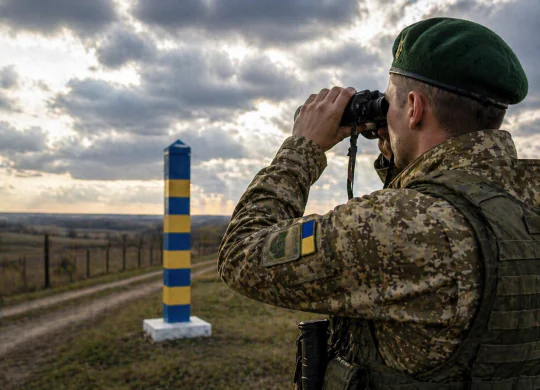
30 kwietnia – Dzień Ukraińskiej Straży Granicznej 2026: Historia Święta i Rola Służby w Czasie Wojny
Dzień Ukraińskiej Straży Granicznej to nie tylko święto zawodowe, ale także przypomnienie o ludziach, którzy każdego dnia stoją na pierwszej linii obrony narodu. W 2026 roku rola strażników granicznych stała się jeszcze bardziej kluczowa: patrolują granice, uczestniczą w operacjach bojowych i zapewniają bezpieczeństwo milionom obywateli. Dowiedz się więcej o historii święta, obowiązkach służby i jej znaczeniu dzisiaj
30 kwi. 2026
More details2 min
Events
Dzień Matki 2026: kiedy jest obchodzony i jakie tradycje są z nim związane
Dzień Matki to doskonała okazja, aby okazać swoją miłość i troskę. Dowiedz się dokładnej daty obchodów w 2026 roku oraz jakie oryginalne prezenty możesz kupić dla swojej mamy
10 maj. 2026
More details2 min
Events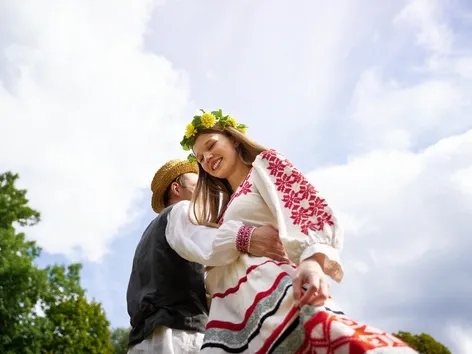
Dzień Wyshywanki 2026: Gdzie i jak będzie obchodzona 20. rocznica na całym świecie?
Dzień Wyshywanki jest symbolem jedności wśród Ukraińców na całym świecie i ważnym wydarzeniem kulturalnym. Dowiedz się, jak 20. rocznica będzie obchodzona w 2026 roku, gdzie odbędą się główne wydarzenia i jak możesz włączyć się w obchody
06 maj. 2026
More details