


Pet-friendly housing in Europe: where to look and how to rent an apartment with a pet
- How to rent an apartment with a pet in Europe?
- Where to look for pet-friendly apartments in Europe?
- What to look for when booking accommodation with a pet?
- What documents are needed for an animal when traveling to Europe?
- The most pet-friendly cities in Europe for renting housing
- Practical recommendations for renting an apartment with a pet

Finding pet-friendly accommodation in Europe is much easier if you know where to look and what conditions to pay attention to before booking. Find out which platforms will help you find an apartment with pets, what documents are needed to travel with a pet, what to look for when renting, and which European cities are the most comfortable for dog and cat owners

Finding pet-friendly accommodation in Europe is quite possible – if you know the right platforms, filters and questions to ask hosts before booking. In this article we tell you where to look for pet-friendly accommodation, what to look for, what documents are required and which European cities are the most animal-friendly.
Planning a trip abroad?
Get reliable travel insurance from the Visit Ukraine portal!

How to rent an apartment with a pet in Europe?
Pet-friendly accommodation in Europe is sought through Booking.com, Airbnb and Spotahome, because these platforms have a filter “accommodation with pets”. Before booking, clarify with the host the weight and type of animal, the availability of a deposit and the rules of stay in the premises. Most owners allow cats and small dogs, large breeds – less often.
Don't want to miss important updates and useful articles? Subscribe to our weekly newsletter!
Where to look for pet-friendly apartments in Europe?
Renting accommodation with pets is a real task, but requires a targeted search. General aggregators without filters will give too many irrelevant results. Here are the platforms that really help:
Booking.com
One of the most powerful tools for finding pet-friendly accommodation in Europe. The search page has a separate filter “Accommodation with pets” – it immediately removes options where animals are not allowed.
Important: even after filtering, read the description of the property carefully – some hosts only allow cats or dogs up to a certain weight (most often up to 10 kg).
Airbnb
On Airbnb, the filter “Pets allowed” is in the additional amenities section. The advantage of this platform is the ability to write directly to the host before booking and clarify the details. Many hosts are willing to confirm the booking if you immediately inform about the animal and describe it (breed, size, upbringing). This reduces the risk of rejection after arrival.
Spotahome and Uniplaces
These platforms are focused on medium and long-term rentals (from 1 month). Here you can find pet-friendly apartments in Madrid, Barcelona, Lisbon, Berlin, Milan and other major cities. Spotahome has a filter for pets, as well as video viewings of apartments - it's convenient to evaluate the space for your pet without a personal visit
Local Facebook groups and Idealista
In every major city in Europe there are Facebook groups for renting housing - for example, "Apartments for rent in Barcelona", "Rent in Berlin", "Apartments for rent Lisbon". Here, real owners publish ads without intermediaries. You can write directly and agree on the conditions for the pet.
Idealista is a leading real estate portal in Spain, Portugal and Italy. There is not always a filter for pets, but you can write in the description filter "mascotas permitidas" or "animais de estimação permitidos" and find suitable options.
HousingAnywhere
A platform for long-term rentals throughout Europe, especially popular among students and expats. You can indicate the presence of a pet in your profile and in the search. The owners can see your profile and agree on the conditions.
A full list of airlines that allow pets in the cabin is here.
What to look for when booking accommodation with a pet?
Even if the ad is marked as pet-friendly, there are a number of details that you should check before making a deposit:
Restrictions on the type and size of the animal
The most common restrictions: only cats, only dogs up to 10 kg, no more than one animal. Some hosts do not accept “exotic” animals - rodents, reptiles, birds. If you have a husky or a Labrador, clarify this immediately - so that there are no misunderstandings upon arrival.
Additional deposit
Pet deposit is a standard practice in Europe. It can range from 100 to 500 euros depending on the country and type of accommodation. Such a deposit is especially common in the Netherlands and the UK. The deposit is returned after departure, provided there is no damage.
In some cases, instead of a deposit, there is an additional daily or monthly fee (e.g. +15–20 euros per day on Airbnb, or +50–100 euros per month for long-term rentals).
Pet regulations
Ask the host:
- Can the pet be left alone in the apartment?
- Are there any restrictions on certain rooms (e.g. the bedroom)?
- Are there any requirements for removing fur/wool?
- Is there a balcony or yard that the pet can use?
Infrastructure around
When traveling with a dog in Europe, it is important to check for parks and walking areas nearby. Google Maps will help you find “dog park” or “Hundewiese” (Berlin), “parque para perros” (Madrid), “area cani” (Milan). Most major European cities have special fenced walking areas.
What documents are needed for an animal when traveling to Europe?
If you are traveling with an animal in Europe or entering the EU, documents are a mandatory part of the preparation.
For entry into the EU
1. Veterinary certificate (form that meets EU requirements - mostly TRACES form or similar).
2. Microchipping + rabies vaccination, done at least 21 days before entry (if the animal is entering for the first time).
3. Rabies antibody test may be required when entering some countries (e.g. Finland, Ireland, Malta).
For travel within the EU
1. EU pet passport – contains data on chipping and vaccination. If you are already in the EU, this document is the main one.
2. Chipping – mandatory for all dogs, cats and ferrets within the EU.
3. Rabies vaccination – mandatory and must be done after chipping. Valid vaccination (not expired) is a key condition for crossing borders.
A package of documents, requirements and rules for exporting pets abroad at the link
We recommend that you clarify the requirements at the embassy or on the official website of the destination country before each trip – the rules may be updated.
The most pet-friendly cities in Europe for renting housing
Not all cities are equally loyal to animals – the difference is in the cultural attitude, in legislation, and in the availability of appropriate housing.
Berlin, Germany
Berlin is one of the most dog-friendly cities in Europe. Dogs are allowed in most cafes, shops and even some offices. Berlin legislation requires owners to register dogs and pay "Hundesteuer" (dog tax - about 120 euros per year). Pet-friendly apartments are really easy to find here, but you should immediately indicate the animal in the ad or on the platform, because not all landlords are ready without notice.
Lisbon, Portugal
Lisbon is very loyal to animals. Landlords here are generally less strict than in Central Europe. The city has many parks, beaches with separate areas for dogs (especially near Sintra and Cascais). Pet-friendly apartments in Lisbon can be found through Idealista, Uniplaces or Facebook groups with rentals for expats.
Barcelona, Spain
Barcelona is actively developing the culture of dog-friendly spaces. There are special beaches for dogs (for example, Playa de Llevant), numerous parque canino. The rental market is competitive, so if you are looking for a pet-friendly apartment in Barcelona, it is worth starting your search in advance - 1-2 months in advance. Spotahome and Airbnb work best for short-term stays.
Amsterdam, Netherlands
Amsterdam is a city where dogs can be found literally everywhere. Here, dogs are allowed in most shops, restaurants, museums. At the same time, the rental market is very tight: demand exceeds supply, so you have to actively look for pet-friendly options. A pet deposit is almost a mandatory condition of renting.
Vienna, Austria
Vienna is a comfortable city for animals with a lot of green spaces and Hundezonen (dog zones). Renting pet-friendly housing is possible here, but you should be prepared for stricter landlord requirements regarding deposits and keeping the animal.
Prague, Czech Republic
Prague is increasingly opening up to animals in city-wide spaces. Compared to Berlin or Lisbon, there are more restrictions in public spaces, but the culture of pet-friendly cafes and parks is developing rapidly. Rental prices are lower than in Berlin or Amsterdam, making the city an attractive option for long-term stays with a pet.
We told you more about the cities in Europe where dog and cat owners will be most comfortable when traveling or moving here.
Practical recommendations for renting an apartment with a pet
1. Report the animal immediately. Don’t wait for the booking confirmation to then “put the host before the fact”. This risks being refused upon arrival and a negative review. Write in the message: type of animal, breed, weight, whether it is trained to commands.
2. Take photos of the apartment upon arrival. To avoid disputes over deposits and damage – record the condition of the furniture, floor, walls upon check-in. Send the photo to the host immediately.
3: Check the reviews from the hosts. On Airbnb, you can see that other guests write about the host’s attitude towards animals. This is one of the most reliable signals.
4. Prepare for refusals. Even in Berlin, some landlords refuse animals – not against you personally, but out of fear of damage or allergies in subsequent tenants. Therefore, you always have several options.
5. For long-term rentals, draw up a contract. If you rent an apartment for a month or more, the conditions regarding the animal must be spelled out in the contract. Verbal agreements do not protect.
Finding pet-friendly accommodation in Europe is a real task if you approach it systematically. Start your search with filtering platforms (Booking.com, Airbnb, Spotahome), notify about the animal before booking, clarify the conditions regarding the deposit and restrictions. For travel and long-term rental with a dog, the most convenient are Berlin, Lisbon, Barcelona and Amsterdam - cities with a developed pet-friendly infrastructure and a loyal attitude. Prepare documents for the animal in advance - especially if you are entering the EU from third countries.
When planning a trip to Europe with a pet, you should take care not only of accommodation and documents, but also of your own safety during the trip. Travel insurance will help you avoid unforeseen expenses in case of illness, injury or emergency medical care abroad, because treatment for foreigners in Europe can cost thousands of euros.
Apply for travel insurance online quickly and conveniently through the Visit Ukraine service - without queues, paperwork and unnecessary stress before your trip.
Reminder! The financial borders of Europe have changed in 2026. Bulgaria has officially switched to the euro, but many EU countries still retain their national currencies. In order not to lose money on conversion and to plan your trip budget correctly, it is important to know the current composition of the Eurozone. Read here which countries accept the euro, and where you will still need the local currency.
Photo - generated by Gemini
Want to know more? Read the latest news and useful materials about Ukraine and the world in the News section.
Our recommendation for a safe and comfortable trip:
Visit Ukraine Insurance - insurance for a safe stay abroad without unnecessary expenses;
Green Card - compulsory car insurance for traveling abroad;
Visit Ukraine Tickets - book tickets for buses, trains, and airplanes to/from Ukraine and between cities around the world;
Private Lawyer service - professional legal support on visa and migration issues;
Visit Ukraine Merch - buy patriotic clothing and accessories with worldwide delivery.
© 2018-2026, Visit Ukraine. Use, copying or reprinting of materials on this site is permitted only with a link (hyperlink for online publications) to Visit Ukraine.
All rights reserved.
Recommended articles
1 min
Transport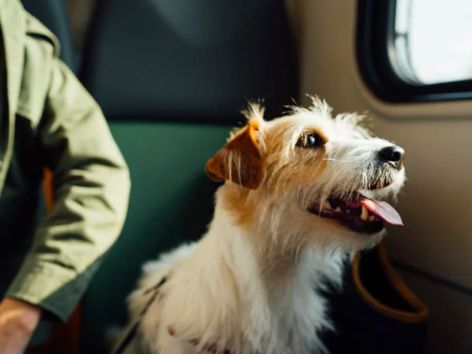
Per viaggiare con il tuo animale domestico in treno, sia all'estero che all'interno dell'Ucraina, è necessario preparare una serie di documenti. Scopri di più, tutto ciò che devi sapere sulle regole per il trasporto degli animali su rotaia
19 nov. 2025
More details2 min
Travel
Crociere con animali domestici: Nuovo programma consente a gatti e cani di soggiornare nelle cabine
Le compagnie di crociera hanno iniziato a consentire animali domestici nelle cabine. Scopri quali sono i termini, quanto costa e quali rotte sono disponibili per i viaggiatori con i loro animali domestici
04 apr. 2026
More details2 min
Popular
Gli aeroporti europei stanno registrando code di ore a causa del nuovo sistema EES. Scopri quali paesi sono i più colpiti, perché i passeggeri aspettano fino a 3–4 ore e come prepararti per il tuo viaggio
17 apr. 2026
More details3 min
Real estate
Housing prices in Europe are rising rapidly: where will real estate prices rise the fastest in 2026?
Real estate prices in Europe continue to rise rapidly, with annual price increases exceeding 20% in some countries. The market is being driven primarily by investors, international demand, and economic growth. Learn more about where housing prices are rising the fastest in 2026
17 apr. 2026
More details