


.gif)
Masny week 2026: dishes that attract good luck and financial prosperity
- Why are dairy dishes cooked for Shrovetide?
- What is the main dish at Shrovetide?
- Do Ukrainians used to make pancakes for Pancake Day?
- Shrovetide week: what other dishes did Ukrainians cook?
- Folk signs of Shrovetide: how to “program” the year for prosperity and happiness
- Plan your Kolodiya trip with Visit Ukraine!
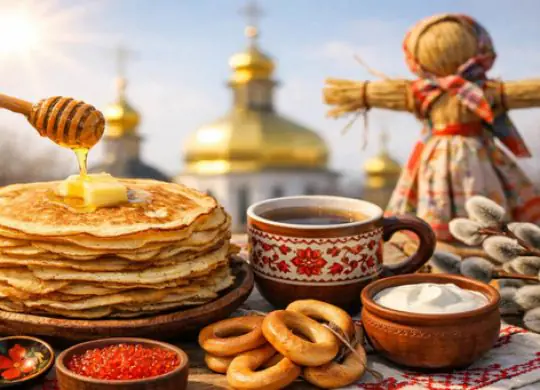
Maslenitsa is not only a merry celebration at the end of winter, but also a whole week of culinary traditions that reflect folk beliefs about well-being and happiness. Ukrainians have long believed that what you cook during Shrovetide is how you will live the whole year. Find out more about the dishes and signs of Maslenitsa 2026, which, according to folk beliefs, bring prosperity, good luck and harmony to the family

Maslenitsa, Kolodii or Syropusna week is a special period on the eve of Lent, which in Ukrainian tradition has always been accompanied by a generous table, hospitality and family warmth. These days, people not only saw off the winter but also laid the foundation for the coming year, believing that the right dishes could bring prosperity, health, and family happiness.
A special place on the table was occupied by dairy and flour dishes - a symbol of satiety, generosity of the home, and vitality. Each dish had its own meaning, and some of them were even accompanied by humorous signs and beliefs that were passed down from generation to generation.
In this article, we'll find out what dishes were traditionally prepared for Shrovetide, what they symbolized, and why our ancestors believed that food on these days influenced the whole year ahead.
In our previous article, we talked about the authentic Ukrainian traditions of Shrovetide, the rituals of each day, and the main holiday dish that has nothing to do with pancakes.

Why are dairy dishes cooked for Shrovetide?
In Ukrainian tradition, Shrovetide week has always been a transitional period before Lent. Meat dishes were no longer eaten on these days, instead, dairy products and flour dishes dominated the table. That's why Maslenitsa was often called Cheese Week-everything related to milk and eggs was allowed, but no meat. This change in diet had not only religious but also symbolic meaning: it was believed that soft, nutritious food set a person up for peace, harmony in the family and prosperity in the home.
Eggs, milk, sour cream, cottage cheese, cottage cheese, and butter traditionally formed the basis of the festive table. These products were perceived as the personification of satiety, health, and home comfort. The richer the table was on Shrovetide, the more generous, according to folk beliefs, the whole year was supposed to be - in terms of household, money, and relationships between relatives.
Cheese had a special symbolic meaning. In folk beliefs, it was associated with purity, protection from adversity, and the inner strength of a person, both physical and spiritual. There was even a humorous belief around cheese: that if you fell asleep with a lump of cheese in your mouth and woke up with it, you could gain magical powers. Of course, no one ever succeeded, but the story itself conveys well how “magical” cheese was considered to be during Shrovetide.
Don't want to miss important updates and useful articles? Subscribe to our weekly newsletter!
What is the main dish at Shrovetide?
In Ukrainian tradition, dumplings with cottage cheese have long been considered the main dish of Shrovetide. They were most often cooked during the seven days of the celebration, as dumplings symbolized prosperity, family happiness, and a full year ahead. Preparing this dish was not just a kitchen routine, but a kind of ritual: women would get together and make dumplings with songs, jokes, and good mood. They believed that such joint work brought harmony and warmth to the house for the whole year.
Dumplings were prepared in different ways, depending on the traditions of the family and the region. They were not only boiled in water, but also baked in the oven, and before serving, they were generously poured with butter and sour cream. It was believed that the more generously you seasoned the dish, the more generous your fate would be in the new year.
Interestingly, the filling and even the cheese itself differed depending on the area. Different regions of Ukraine used their own versions of the dairy product:
- In the Carpathians, it was brynza;
- In Vinnytsia region - dried cheese;
- In Volyn, it was melted or baked;
- In other regions, it was regular cottage cheese.
The flour used to make the dough also differed: rye, barley, buckwheat, or oatmeal. Due to this, even the same dish had dozens of local variations.
Since Maslenitsa lasted for a whole week, it was not easy to make dumplings with cottage cheese every day, so housewives varied the fillings. In addition to cottage cheese, they would wrap cabbage (fresh or sauerkraut), potatoes, mushrooms, beans, poppies, viburnum, dried fruits, millet or buckwheat porridge in the dough. Such options were considered no less “correct” for a festive table and symbolized various aspects of well-being: from satiety to family harmony.
Earlier, we told you where to celebrate Shrovetide in Kyiv and the outskirts of the capital.
Do Ukrainians used to make pancakes for Pancake Day?
Despite the modern associations of Pancake Day with thin pancakes, this dish has not been a mainstay in Ukrainian tradition for a long time. Our ancestors did not make the pancakes that are considered classic today. The massive spread of thin pancakes as a symbol of the holiday appeared much later, when Shrovetide began to be perceived through the prism of other cultural influences. Therefore, completely different flour dishes were more traditional for the Ukrainian table.
Instead, puffy yeast pancakes, pancakes, and pancakes were cooked for Pancake Day. These dishes were hearty, homely, and associated with caring for the family. Nalysnyky were usually stuffed with sweet or nutritious fillings, then generously covered with sour cream and baked in the oven. The most popular fillings were grated cottage cheese with an egg, poppy seeds, dried fruits, and berries.
In addition to nalysnyky, in some regions pancakes were made from buckwheat flour on “sour” dough. Such dishes had a characteristic taste and were considered a sign of home comfort and prosperity in the family. According to folk beliefs, these fluffy, warm dishes better conveyed the spirit of Shrovetide than the thin pancakes that are more commonly seen on holiday tables today.
Lazy dumplings, both cottage cheese and potato, were especially popular. They were cooked faster, but people believed that they were no less “happy” than the classic ones. There was even a sign: the more dumplings you make on Shrovetide, the more joyful and successful the year will be, both in business and in family life.
Shrovetide week: what other dishes did Ukrainians cook?
In addition to dumplings and pancakes, the Maslenitsa table was supposed to be as generous and varied as possible. It was believed that if you didn't spare treats for your family and guests on these days, the year would be full, calm, and financially stable. That's why a lot of cheese and dairy dishes appeared on the festive table, prepared according to family recipes and local traditions.
The most common dishes made from cottage cheese and milk for Shrovetide were:
1. Cheesecakes;
2. Cheese babas;
3. Cottage cheese casseroles;
4. Biscuits with milk;
5. Milk jelly.
These dishes were considered a symbol of prosperity and home warmth. The more often they were served in the family during the Pancake Week, the more “prosperous” the year ahead was supposed to be.
A special place on the table was occupied by pancakes, which were usually eaten with sour cream. To diversify the flavor, various ingredients were added to the dough: garlic, herbs, cheese, onions, or carrots. They also made pancakes from pumpkin or zucchini, especially in regions where these vegetables were available in winter. These options were considered not only tasty but also “lucky” for the home, a symbol of prosperity and economic skill.
Maslenitsa was not complete without home baking. Pies were baked with various fillings, both sweet and savory. The most popular were:
1. Sweet: poppy seeds with honey, apples with cinnamon, dried fruit, cottage cheese with raisins, cherries, jam;
2. Salty: buckwheat with mushrooms, potatoes with onions, eggs with green onions.
Pies symbolized hospitality and openness of the house to guests. It was believed that the more willingly the hosts treated others during Shrovetide, the more kindness and support they would receive in return throughout the year.
Folk signs of Shrovetide: how to “program” the year for prosperity and happiness
In the Ukrainian tradition, Shrovetide week was perceived not just as a delicious holiday before Lent, but as a special period when the mood and symbolic “script” for the whole year are laid. That's why the festive table was treated with great care: it was believed that Maslenitsa dishes should not only feed you, but also bring good luck, health and family harmony to your home.
One of the most popular signs concerned dumplings: the more dumplings you made during the Pancake Week, the happier and more successful the year would be. The process of making dumplings was also important: if you made dumplings in a good mood, sang songs or made jokes, the family would be in harmony. Such joint cooking was considered a kind of amulet for the home.
Some beliefs were associated with cottage cheese. It was perceived as a symbol of purity, protection from adversity, and inner strength. Even a joking sign about “magical powers” that can supposedly be obtained if you fall asleep with a lump of cheese in your mouth well conveys the popular attitude to this product as something almost magical. Despite the humor, the meaning of the belief is simple: cheese was considered a good luck charm on Maslenitsa.
Another important sign concerned the generosity of the table. If you don't spare treats for your family and guests during Shrovetide, share pies, dumplings, pancakes and other dishes, the year promises to be full and peaceful. People believed that hospitality on these days “returns” with support, good news, and a sense of stability throughout the year.
Plan your Kolodiya trip with Visit Ukraine!
If you want to combine Kolodii celebrations with a full-fledged trip around Ukraine, you should think about the route and format of your trip in advance. A convenient tour allows you to avoid wasting time on logistics, tickets, and planning - everything is thought out for you. Visit Ukraine helps you to choose interesting weekend tours and themed trips to Ukraine so that you can see new places, visit authentic locations, and spend a comfortable time without unnecessary worries.

We remind you! Ukraine has chosen its representative for the 2026 Eurovision Song Contest: the final of the national selection ended emotionally and loudly, presenting the audience with a new artist for the big European stage. The winner is already preparing for his performance in Vienna, where the jubilee Eurovision Song Contest will bring together millions of viewers from all over the world. Read more about who will represent Ukraine, with what song and when the main European music contest will take place.
Want to know more? Read the latest news and useful materials about Ukraine and the world in the News section.
We recommend purchasing it for a safe and comfortable trip to Ukraine:
Visit Ukraine Insurance – insurance covering military risks for entry and travel in Ukraine;
Visit Ukraine Car Insurance – car insurance with extended coverage in Ukraine;
Visit Ukraine Legal Advice – comprehensive legal support on entry to Ukraine;
Visit Ukraine Tickets – bus and train tickets to/from Ukraine;
Visit Ukraine Tours – the largest online database of tours to Ukraine for every taste;
Visit Ukraine Hotels – hotels for a comfortable stay in Ukraine;
Visit Ukraine Merch – patriotic clothing and accessories with worldwide delivery.
© 2018-2026, Visit Ukraine. Use, copying or reprinting of materials on this site is permitted only with a link (hyperlink for online publications) to Visit Ukraine.
All rights reserved.
Recommended articles
3 min
Events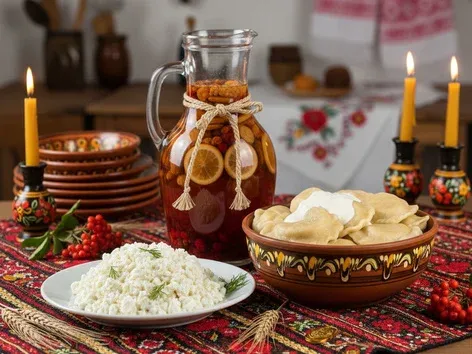
Maslenitsa 2026 in Ukraine: dates, traditions, and significance of each day of the week
Maslenitsa, or Syropusny Week, is an ancient Ukrainian tradition that combines folk rituals with preparations for Lent. In 2026, the celebrations will take place from February 16 to 22, and each day of the week has a special meaning and its own customs. Learn more about the authentic Ukrainian traditions of Masnytsia, the rituals of each day, and the main festive dish, which has nothing to do with pancakes
16 Feb. 2026
More details3 min
Travel
World Tourism Sustainability Day: why does travel continue even in the most difficult times?
Every year, tourism faces new challenges, from pandemics to armed conflicts. Despite this, millions of people continue to plan trips, and the industry demonstrates its ability to recover even in the most difficult conditions. Learn more about why the world celebrates World Tourism Sustainability Day on February 17 and what role Ukraine plays in this
17 Feb. 2026
More details2 min
Events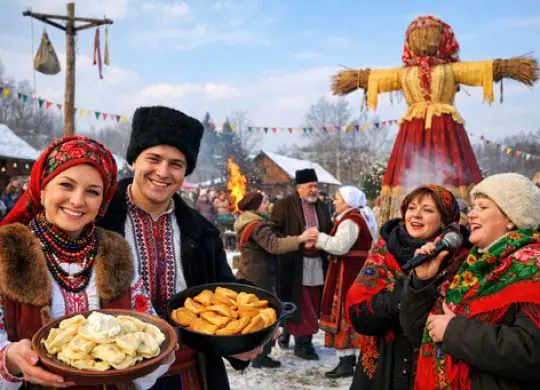
Kolodii 2026: where to celebrate Shrovetide in Kyiv and the outskirts of the capital
Kolodii, or Shrovetide, is one of the most colorful folk festivals, symbolizing the farewell to winter and the welcome of spring. In 2026, several large-scale celebrations with traditional rituals, music, and treats are planned in Kyiv and near the capital. Find out more about where to celebrate Maslenitsa in 2026 in Kyiv and near the city
17 Feb. 2026
More details2 min
War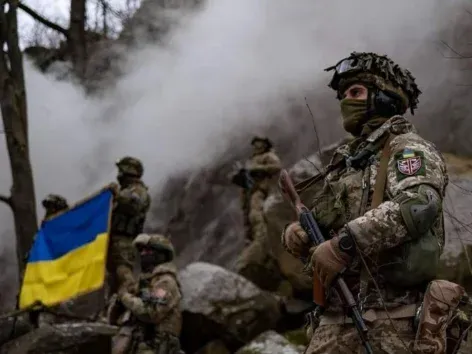
First Since 2023: Ukraine Recaptures Hundreds of Kilometers in Counteroffensive
American experts are recording the Ukrainian army's greatest success in the last two years. While Russian defences are crumbling due to a technological blockade, Kyiv is effectively seizing the moment to reclaim its territories in the east. Learn about the real scale of the Ukrainian Armed Forces' advance
17 Feb. 2026
More details