


.gif)
February 26 - Day of Resistance to the Occupation of the Crimean Peninsula, how Crimeans defended Ukraine in 2014
- What is the Day of Resistance to the Occupation of Crimea?
- How the occupation of Crimea unfolded: key events of February-March 2014
- Events of February 26, 2014: how Crimeans came to the defense of Ukraine
- When and how was the Day of Resistance to the Occupation of Crimea officially approved?
- Why is this day important today: memory, support for Crimea and the international context
- How does Ukraine commemorate the Day of Resistance to the Occupation of Crimea?
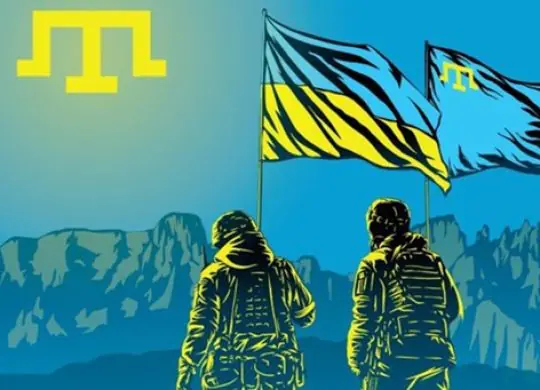
The Day of Resistance to the Occupation of Crimea is a reminder of the first mass manifestation of disagreement with russian aggression on the peninsula in 2014. On February 26, Crimeans rallied in defense of Ukraine's territorial integrity. Learn more about the events of this day and why it is of particular importance for the whole country

On February 26, Ukraine marks the Day of Resistance to the Occupation of the Crimean Peninsula, a date associated with the mass events in Simferopol in 2014. On the eve of the seizure of administrative buildings in the city, thousands of people came out to a pro-Ukrainian rally to publicly express their position. These events showed that a significant part of Crimean residents did not support the occupation and were in favor of preserving the territorial integrity of Ukraine. Today, this day is an important reminder of the resistance that Crimeans put up at the very beginning of the aggression.
In our previous article, we described how Ukraine is turning its resources into an instrument of revival and international recognition.

What is the Day of Resistance to the Occupation of Crimea?
The Day of Resistance to the Occupation of the Crimean Peninsula is celebrated every year on February 26 to commemorate the massive pro-Ukrainian rally in Simferopol in 2014. On this day, thousands of Crimean residents - Crimean Tatars, Ukrainians and representatives of other nationalities - came to the building of the Verkhovna Rada of the Autonomous Republic of Crimea to publicly declare their support for the territorial integrity of Ukraine and their opposition to attempts to destabilize the situation on the peninsula.
At the state level, this commemorative date was established in 2020 by a decree of the President of Ukraine. The Day of Resistance is intended to honor the courage and civic stance of people who, in the face of growing pressure and threats, openly opposed russian aggression. For many Crimeans, this rally was the last opportunity to legally and massively express their pro-Ukrainian position before the open military occupation began.
Today, February 26 has not only a memorial but also a symbolic meaning. This date reminds us that resistance to the occupation of Crimea began even before the appearance of the russian military without insignia on the streets and that thousands of people on the peninsula did not support the annexation.
In our previous article on the fourth anniversary of the full-scale invasion, we described how Ukrainians commemorate the bloody events and tirelessly fight for their right to independence.
How the occupation of Crimea unfolded: key events of February-March 2014
The active phase of russia's armed aggression against Ukraine began on February 20, 2014, when russian military units began moving into Crimea and the Kerch Strait area. This date is officially recognized in Ukraine as the day when russian aggression began. Subsequently, events on the peninsula developed rapidly and according to a pre-prepared scenario.
In the second half of February, unmarked russian soldiers, the so-called “little green men,” appeared in Crimea. At the same time, irregular units were formed and armed from local residents, which acted together with regular units of the russian armed forces. In fact, a regime of military occupation began to be established on the peninsula. On February 24, russian Navy ships left Novorossiysk on their way to Sevastopol with military personnel and military equipment, which was another signal of preparations for the seizure of the region by force.
The events of February 26 in Simferopol were the culmination of peaceful resistance - thousands of people came out in support of Ukraine's territorial integrity. The very next morning, February 27, the russian military seized the buildings of the Parliament and Government of the Autonomous Republic of Crimea. On February 28, under the control of russian armed forces, the Crimean parliament voted to hold a so-called referendum, and russian units began blocking Ukrainian military units, seizing the airports of Belbek and Simferopol and the land entrances to Crimea from the Kherson region.
On March 16, 2014, russia held a pseudo-referendum on the “status of Crimea,” which was boycotted by Crimean Tatars and other pro-Ukrainian residents of the peninsula. On March 25, the last Ukrainian warship to resist in Crimea, the Cherkasy minesweeper, was captured. Since then, the Autonomous Republic of Crimea and the city of Sevastopol have been under temporary occupation by russia, and the attempted annexation of the peninsula is a gross violation of international law and Ukraine's sovereignty.
Don't want to miss important updates and useful articles? Subscribe to our weekly newsletter!
Events of February 26, 2014: how Crimeans came to the defense of Ukraine
On February 26, 2014, a rally of many thousands gathered in Simferopol near the building of the Verkhovna Rada of the Autonomous Republic of Crimea in support of the territorial integrity of Ukraine. At the call of the Mejlis of the Crimean Tatar people, Crimean Tatars, Ukrainians and representatives of other nationalities came to the square. According to various estimates, between 5 and 10 thousand people took part in the rally. The participants demanded to prevent the adoption of pro-russian decisions and opposed attempts to change the status of Crimea.
The rally took place against the backdrop of a rapidly deteriorating situation on the peninsula. The day before, russian military units without insignia had already been in Crimea, and russia continued to make organized attempts to destabilize the region. Despite the tense atmosphere and provocations, people came out unarmed, openly demonstrating their civic position and support for Ukraine.
The very next morning, February 27, regular russian military forces seized the buildings of the Parliament and Government of the Autonomous Republic of Crimea. russian flags appeared over the administrative buildings, and access to them was blocked by armed military personnel. The events of February 26 were the last massive peaceful manifestation of resistance to the occupation of Crimea before the de facto regime of military occupation was established on the peninsula.
In our previous article, we talked about the history of the approval of the National Flag of Ukraine.
When and how was the Day of Resistance to the Occupation of Crimea officially approved?
At the state level, the Day of Resistance to the Occupation of the Crimean Peninsula was established in 2020. The President of Ukraine signed the relevant decree to honor the courage and civic position of people who lived in the temporarily occupied territory of the Autonomous Republic of Crimea and the city of Sevastopol and openly opposed russian aggression.
The document emphasizes that the memorable date is timed to the events of February 26, 2014 in Simferopol - a mass rally in support of the territorial integrity of Ukraine with the participation of Crimean Tatars, Ukrainians and representatives of other nationalities. These events became a symbol of civil resistance to the occupation of Crimea even before the open military seizure of the peninsula.
The introduction of this date at the official level is of great social and political importance. It is intended to preserve the memory of the first days of russian aggression, to support the residents of Crimea who remain under occupation, and to remind Ukrainian and international society of the illegality of the seizure of the peninsula.
Why is this day important today: memory, support for Crimea and the international context
The Day of Resistance to the Occupation of Crimea remains relevant today, as the peninsula has been under russian control for many years. For Ukraine, this date is a reminder that the war began in Crimea and that thousands of people on the peninsula did not support the occupation. The memory of the events of February 26, 2014 helps to preserve the truth about the first manifestations of aggression and to counteract attempts to rewrite history.
This day is also important for supporting Crimean residents who remain in the temporarily occupied territory. Since the occupation, many Crimean Tatars, Ukrainian activists and journalists have been persecuted, searched and arrested. The annual commemoration of the Day of Resistance is a public signal of solidarity with those who live under pressure and restrictions, as well as with political prisoners held for their pro-Ukrainian position.
Internationally, February 26 is used as an occasion to reiterate the illegality of the annexation of Crimea and the need for its de-occupation. Ukraine and its partners continue to emphasize that the seizure of the peninsula is a violation of international law and cannot be recognized. Therefore, this date is important not only as a day of remembrance, but also as an element of constant international pressure on russia.
To learn more about the results of the Gradus study “Ukraine 2035: Strength, Vulnerability and Potential of the Country”, please follow the link.
How does Ukraine commemorate the Day of Resistance to the Occupation of Crimea?
Every year on February 26, Ukraine hosts events dedicated to the Day of Resistance to the Occupation of the Crimean Peninsula. Commemorative actions, public events, thematic meetings, and information campaigns are organized in different cities to remind people of the events of 2014 and the fact that Crimea remains a temporarily occupied territory. Particular attention is paid to the voices of Crimean Tatars and residents of the peninsula who were direct participants in those events.
This day is also used for educational work. Schools, universities, media, and social networks publish materials about the chronology of the occupation of Crimea, talk about the persecution of activists and political prisoners, and about the preservation of Ukrainian identity on the peninsula. Thus, February 26 becomes not only a day of remembrance, but also a reminder of society's responsibility not to forget about Crimea.
For many Ukrainians, this date is an occasion to once again publicly declare their position on the need to de-occupy Crimea and support its residents. Symbolic actions, social media posts, and civic initiatives help to keep the topic of Crimea in the public space and prevent it from disappearing from the agenda.
You can support Ukraine not only with words, but also with simple everyday actions. Patriotic merchandise from Visit Ukraine is a way to show your position, maintain a sense of unity, and at the same time make a useful purchase for yourself or as a gift. Symbols with Ukrainian motifs help remind us of important values even in everyday life and support the country through conscious choices.
Honor the heroes of the past and support those who defend Ukraine today - purchase patriotic merchandise at Visit Ukraine!

We remind you! Ukraine is undergoing a moment of rethinking itself — a country that defends freedom while opening its culture, nature, and history to the world as a source of inspiration and strength. From art to sustainable tourism, every direction is becoming part of the global conversation about modern identity and development. Read more about how Ukraine is transforming its resources into a tool for revival and international recognition.
Want to know more? Read the latest news and useful materials about Ukraine and the world in the News section.
We recommend purchasing it for a safe and comfortable trip to Ukraine:
Visit Ukraine Insurance – insurance covering military risks for entry and travel in Ukraine;
Visit Ukraine Car Insurance – car insurance with extended coverage in Ukraine;
Visit Ukraine Legal Advice – comprehensive legal support on entry to Ukraine;
Visit Ukraine Tickets – bus and train tickets to/from Ukraine;
Visit Ukraine Tours – the largest online database of tours to Ukraine for every taste;
Visit Ukraine Hotels – hotels for a comfortable stay in Ukraine;
Visit Ukraine Merch – patriotic clothing and accessories with worldwide delivery.
© 2018-2026, Visit Ukraine. Use, copying or reprinting of materials on this site is permitted only with a link (hyperlink for online publications) to Visit Ukraine.
All rights reserved.
Recommended articles
2 min
Culture
Day of Approval of the State Flag of Ukraine: How the main symbol of the state was formed
The national flag of Ukraine is not only an official symbol, but also the embodiment of freedom, struggle and national dignity. The day it was approved was an important milestone in the history of Ukrainian statehood and self-determination. Find out more about how the blue and yellow flag came to be, what it means to Ukrainians, and why its significance is especially evident today
28 Jan. 2026
More details3 min
Culture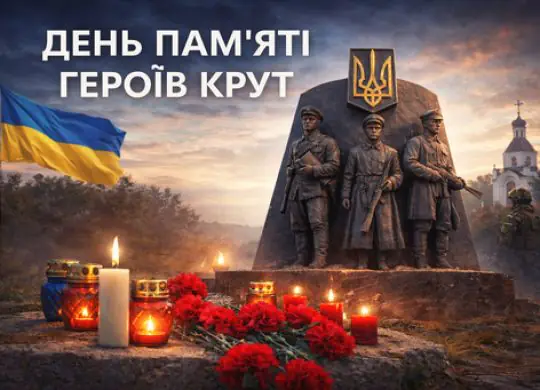
Kruty Heroes Memorial Day: How students became a symbol of the struggle for independence
On January 29, Ukraine honors the memory of the young men who stood up to defend the young state near the Kruty station in 1918. Their deed has forever gone down in history as an example of courage and sacrifice for freedom. Learn more about the events of the Battle of Kruty, its heroes, and the significance of this day for modern Ukraine
29 Jan. 2026
More details3 min
Events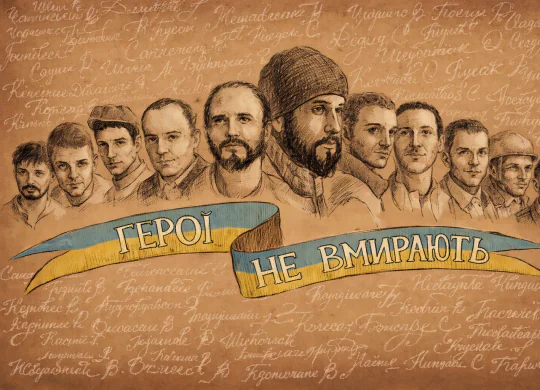
Day of the Heavenly Hundred Heroes: the history of the feat and its significance for Ukraine today
On February 20, Ukraine honors the memory of the Heroes of the Heavenly Hundred - people who died for freedom and honor during the Revolution of Dignity. This date reminds us of the price of freedom and the choice the country has made. Learn more about the history of the Heavenly Hundred and the significance of this day for modern Ukraine
20 Feb. 2026
More details3 min
War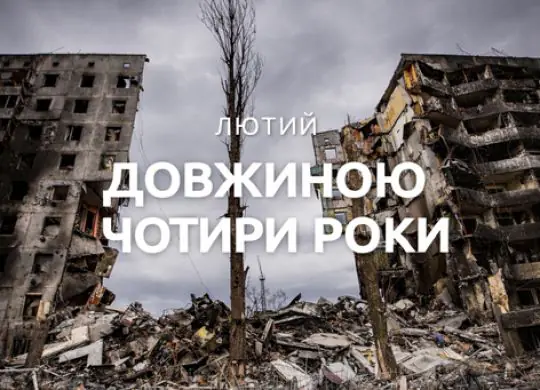
February 24 became a date for Ukraine that divided life into “before” and “after” but did not break the will to freedom. This day unites the memory of losses, gratitude to the defenders, and a common belief in victory and the restoration of the country. Learn more about how Ukrainians commemorate the beginning of the full-scale invasion and turn pain into action
24 Feb. 2026
More details