


.gif)
Is legalisation being scrapped? How some European countries are gradually closing their doors to men from Ukraine
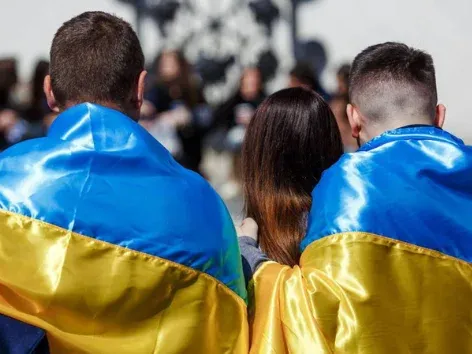
European countries are gradually changing their residency rules for Ukrainians, particularly for men of conscription age. Some countries are introducing additional checks, requiring proof of military status, or redirecting applicants to more complex asylum procedures. Find out which countries are tightening their residency requirements and who this might affect

In several European countries, policies regarding Ukrainian men of conscription age are gradually changing. This does not amount to a complete ban on legalisation, but the rules are becoming noticeably stricter. Some countries are already introducing additional checks, requiring documents confirming military status, or referring applicants to more complex asylum procedures. This is reported by Relocate.
These changes primarily affect new applicants. However, once temporary protection expires in 2027, the new requirements may also affect Ukrainians who are already in Europe.
In which countries are conditions becoming more difficult
Currently, the most noticeable changes are being observed in Denmark, Norway and the Baltic states — Latvia, Lithuania and Estonia. These countries are gradually developing a separate approach towards men of conscription age from Ukraine.
Most often, this involves additional checks, confirmation of military status or stricter requirements for legal residence. In some cases, applicants are subject to individual review procedures, which require more documents and time.
Denmark
Denmark was one of the first countries to effectively introduce separate rules for Ukrainian men of conscription age.
New applicants aged between 23 and 60 must provide an official document from the Territorial Centre for Recruitment and Social Support (TCRS). This must state that the person has been granted a deferment from mobilisation or has been declared unfit for military service.
Without such a document, the Danish Agency for International Recruitment and Integration (SIRI) may refuse to consider an application for protection.
For Ukrainians who have already been granted temporary protection, the situation remains stable for now — the status is valid until March 2027. However, after this date, the authorities plan to tighten the requirements, particularly regarding employment and integration.
Norway
Norway has opted for a different model. From 2026, new male applicants of conscription age will no longer be automatically eligible for collective temporary protection.
They must now undergo an individual asylum procedure. This involves a personal interview, a detailed examination of their circumstances, and confirmation of the personal risks of returning to Ukraine.
The procedure is significantly more complex and may take longer. During the case review, they may also be asked to provide documents confirming their military status or state of health.
Exceptions may apply, for example, to men who are the sole carers of minor children or who have confirmed medical restrictions.
Don't want to miss important updates and useful articles? Subscribe to our weekly newsletter!
The Baltic States
Latvia, Lithuania and Estonia follow a similar approach, although the specific rules differ in each country.
In these countries, checks are being tightened when extending temporary protection and when issuing new residence permits. In some cases, the applicant’s region of origin and their travel outside the country of residence are taken into account.
Particular attention is paid to travel to Russia or to temporarily occupied territories. Such travel may constitute grounds for revoking an already granted protection status.
Furthermore, in a number of cases, Ukrainians are being encouraged to switch to other types of permits — for example, through employment, study or family reunification.
Who may face serious difficulties
Men are at the greatest risk of future refusal if they:
— do not have formal employment
— cannot confirm a deferral from mobilisation
— are applying for the first time after 2026
— have no family or long-term ties in the country of residence
— have spent a long period outside the country where they received protection.
It is precisely these factors that most often prove decisive when renewing status or switching to a different type of residence permit.
Despite the tightening of rules, the current temporary protection for Ukrainians in most European countries remains in force until March 2027. However, experts advise preparing for future changes in advance.
Ukrainians are advised to obtain documents confirming their military status in advance, secure legal employment, and closely monitor the deadlines for renewing residence permits.
It is also important to avoid travelling to Russia or the occupied territories, as such trips may serve as grounds for the review or revocation of protection status.
In many countries, free consultations for Ukrainians are provided by human rights organisations and UN agencies, which help them understand the new rules and prepare documents for status renewal.
Although temporary protection will remain in effect until 2027, the question of the future legal status of Ukrainians in Europe is already becoming relevant. The legal nuances of legalization may vary depending on the country of residence, so in complex situations, it is worth seeking professional help. For example, migration lawyers at Visit Ukraine help Ukrainians understand the rules of residence, document processing, status renewal, or obtaining other forms of legal residence in European countries.

Reminder! The Lithuanian government has reported an increase in the number of Ukrainian refugees and provided new data on their status. Find out how many Ukrainians remain in the country and which documents they need to update.
Want to know more? Read the latest news and useful materials about Ukraine and the world in the News section.
Our recommendation for a safe and comfortable trip:
Visit Ukraine Insurance - insurance for a safe stay abroad without unnecessary expenses;
Green Card - compulsory car insurance for traveling abroad;
Visit Ukraine Tickets - book tickets for buses, trains, and airplanes to/from Ukraine and between cities around the world;
Private Lawyer service - professional legal support on visa and migration issues;
Visit Ukraine Merch - buy patriotic clothing and accessories with worldwide delivery.
© 2018-2026, Visit Ukraine. Use, copying or reprinting of materials on this site is permitted only with a link (hyperlink for online publications) to Visit Ukraine.
All rights reserved.
Recommended articles
2 min
For refugees
Special law for Ukrainians in Poland repealed: what will change for refugees from March 5, 2026
The special law for Ukrainian refugees has been repealed in Poland, but the temporary protection regime remains in force. Find out what rules for stay, residence, and social assistance will apply to Ukrainians after March 5, 2026
05 Mar. 2026
More details2 min
Education
Where to take the NMT abroad in 2026: list of countries (updated)
In 2026, Ukrainian graduates abroad will be able to take the national multi-subject test and enrol in Ukrainian universities without having to return to the country. Special examination centres will be opened in various countries in Europe and around the world for this purpose. Find out in which countries you can take the NMT in 2026 and how to choose a convenient location.
08 Mar. 2026
More details2 min
For refugees
Who must confirm professional activity in Poland: rules for Ukrainians
Poland plans to change the rules for receiving social assistance for Ukrainians with UKR status. Now, one of the conditions for receiving 800+ assistance may be confirmation of professional activity. The new requirements will affect tens of thousands of people and will be automatically verified through state registers. Find out who must confirm their professional activity and under what conditions payments may be suspended
08 Mar. 2026
More details3 min
For refugees
Will Ukrainian pensioners be able to remain in Europe after temporary protection ends in 2027?
After temporary protection ends in 2027, Ukrainian pensioners in the EU will have to switch to other grounds for residence. Find out which countries offer the best chances of staying, what mechanisms already exist, and what you should prepare in advance
11 Mar. 2026
More details