


.gif)
Fuel shortage hits the aviation industry: First U.S. low-cost carrier suspends flights
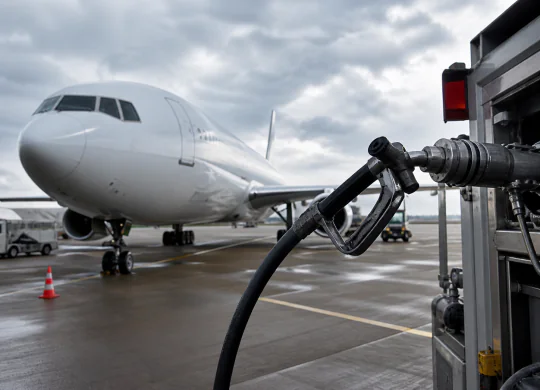
Global fuel shortages are beginning to directly impact air travel. The first U.S. airline has already ceased operations, and this may only be the beginning. Find out what’s happening in the market and what passengers can expect

Rising fuel prices and disruptions in global supply chains have already begun to impact the aviation market. The U.S. has seen its first instance of an airline ceasing operations entirely amid these conditions.
The airline in question is Spirit Airlines, which announced it was winding down operations and canceling flights, offering passengers refunds. The situation could affect approximately 17,000 employees and is already being viewed as a possible sign of a deeper crisis in the industry.
Aviation remains one of the industries most dependent on fuel costs: fuel expenses can account for up to 30–40% of airlines’ operating costs. Therefore, even a short-term rise in prices can quickly lead to financial instability for carriers.
What happened to Spirit Airlines?
The situation surrounding Spirit Airlines served as the first major warning sign for the market. The company announced a complete shutdown of operations, including the cancellation of all flights and the suspension of customer service.
This decision was not sudden—the carrier had been in a difficult financial situation for several years. In 2024 and 2025, the company filed for bankruptcy protection and reduced the number of flights due to falling demand for air travel.
An additional blow was the sharp rise in fuel prices, which had not been factored into the debt restructuring agreements with creditors. As a result, even after attempts to stabilize the business, it could not withstand the new financial burden.
As part of the winding down of operations, passengers were offered automatic refunds for their tickets. At the same time, the consequences for the labor market could be significant—about 17,000 jobs are at risk.
In our previous article, we reported that a large-scale transportation strike will take place in Brussels on May 12.
Why has the fuel shortage become a critical factor for aviation?
Fuel is one of the key cost items for any airline, so even minor price fluctuations can significantly impact carriers’ financial stability. On average, fuel costs account for 30–40% of operating expenses, and this share rises sharply during crises.
Recent developments in the global oil market, particularly geopolitical tensions in the Middle East, have led not only to higher fuel prices but also to supply disruptions. This creates a double burden on airlines—they are forced to either operate at a loss or cut back on flights.
Low-cost carriers suffer the most from this, as their business model is based on minimal costs and low ticket prices. Such companies have significantly less financial resilience, so a sharp rise in costs is more likely to lead to critical decisions, including winding down operations.
An additional factor is the limited ability to quickly raise ticket prices. In a competitive environment, a sharp price hike can lead to a loss of passengers, which further worsens the carriers’ financial situation.
We previously reported that Dubai is resuming air service following the crisis in the Middle East.
Could other airlines follow this same path?
The situation with Spirit Airlines is not an isolated case but rather highlights the vulnerability of a segment of the aviation market. The greatest risk today lies with carriers carrying heavy debt loads and operating on low margins, particularly low-cost carriers.
In the event of further fuel price increases or prolonged supply disruptions, other companies may also face the need to drastically cut costs. This could manifest as a reduction in the number of flights, route optimization, or even a partial suspension of operations on certain routes.
At the same time, large international airlines have more tools to adapt. They can hedge fuel costs, revise their pricing policies, or offset losses through other business lines. However, even for them, a prolonged fuel crisis means lower profitability and the need to revise their strategy.
Experts do not rule out that if the situation worsens, the market could face a wave of restructurings or mergers, especially among smaller carriers. This, in turn, could lead to reduced competition and a gradual rise in airfare prices.
Don't want to miss important updates and useful articles? Subscribe to our weekly newsletter!
What does this mean for passengers, and what should they watch out for?
The current market situation means that the reliability of flights may decrease in the near future. Even if most airlines continue to operate, the risks of flight cancellations, schedule changes, and higher ticket prices are increasing.
Passengers should plan their trips more carefully and build more flexibility into their itineraries. This is especially true for budget carriers, which are the quickest to react to rising costs.
What to look out for before traveling:
1. Refund and ticket exchange policies
2. Availability of alternative flights on your chosen route
3. The airline’s financial stability (news, flight reductions)
4. Layover times – it’s best to avoid tight connections
5. Availability of travel insurance
It’s also worth noting that if market conditions worsen, airfare prices may gradually rise. This is due to both increased carrier costs and a potential decrease in competition.
When planning a trip, it’s best to book tickets with reputable airlines and choose flexible fares—this will help minimize risks during unstable times. In the event of flight delays or cancellations, it’s important to know your rights as a passenger and check the airline’s compensation policy in advance.
During periods of instability in the aviation market, it is especially important to ensure financial protection while traveling. Insurance from Visit Ukraine will help cover expenses in the event of a flight cancellation or delay, cover unforeseen costs, and provide support abroad. It is a simple solution that allows you to travel with confidence even during periods of heightened risk.

Keep in mind that a large-scale strike in Brussels on May 12 could significantly impact travel—from flight cancellations to disruptions in public transportation. Passengers should prepare in advance for possible changes, check for updates, and have an alternative itinerary.
We remind you! European airlines may face a crisis due to rising fuel prices, and Wizz Air is among the most vulnerable. Read about how this will affect flights, prices, and travel in the summer of 2026.
Want to know more? Read the latest news and useful materials about Ukraine and the world in the News section.
Our recommendation for a safe and comfortable trip:
Visit Ukraine Insurance - insurance for a safe stay abroad without unnecessary expenses;
Green Card - compulsory car insurance for traveling abroad;
Visit Ukraine Tickets - book tickets for buses, trains, and airplanes to/from Ukraine and between cities around the world;
Private Lawyer service - professional legal support on visa and migration issues;
Visit Ukraine Merch - buy patriotic clothing and accessories with worldwide delivery.
© 2018-2026, Visit Ukraine. Use, copying or reprinting of materials on this site is permitted only with a link (hyperlink for online publications) to Visit Ukraine.
All rights reserved.
Recommended articles
3 min
Transport
Which car to choose for travel: ranking of the best models in 2026
British experts have identified the best cars for travel. The list includes both budget models and modern electric and hybrid vehicles. Find out which cars offer the best balance of comfort, fuel efficiency, and practicality
03 May. 2026
More details2 min
Transport
Wizz Air Under Threat: Fuel Problems Could Lead to Flight Cancellations in Europe
European airlines may face a crisis due to rising fuel prices, and Wizz Air is among the most vulnerable. Find out what impact this will have on flights, prices, and travel in the summer of 2026
03 May. 2026
More details2 min
Transport
Brussels is preparing for a major strike that will affect flights and public transportation. Find out what disruptions are expected on May 12, whether flights will be canceled, and how to prepare for your trip
04 May. 2026
More details2 min
Transport
Dubai Resumes Air Travel Following the Crisis in the Middle East: What Do We Know?
Air travel to Dubai is gradually resuming following the crisis in the Middle East. Find out why flights were canceled, what the current situation is, and what passengers should keep in mind before traveling
05 May. 2026
More details