


.gif)
A scorching heat wave has swept across Europe, already claiming lives: where are these extreme weather conditions being reported?
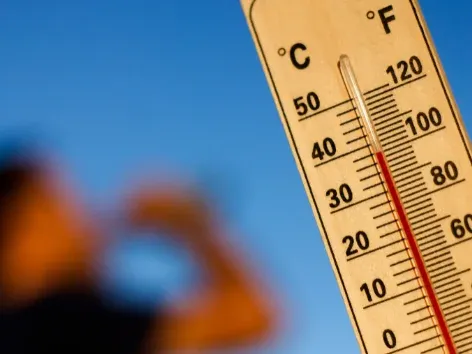
An unprecedented African high-pressure system has turned popular European countries into a zone of a veritable heatwave disaster. Temperatures exceeding 40 °C are damaging local infrastructure and leading to dozens of tragedies among tourists. Find out where the heat is peaking and how to stay healthy during your summer vacation

Western and Central Europe have been gripped by a powerful heat dome, which has brought historically high temperatures. This weather anomaly has already led to disruptions in infrastructure, widespread school closures, and dozens of tragic deaths.
Where is the heatwave currently the most intense in Europe?
France, Spain, Italy, and Germany have become the epicenter of these extreme weather conditions. According to media reports citing meteorological data, an African high-pressure system has trapped hot air over the continent, preventing clouds from forming. In France, 54 departments are currently under a “red” weather alert, and temperatures in the southwestern regions have reached 43 degrees Celsius.
In Spain, most regions are under an “orange” alert, and the Basque Country has declared a maximum alert due to sustained temperatures above 40°C. According to The Guardian, the intense heat does not subside even at night: in many Spanish provinces, temperatures remain at 30 degrees during the night.
A similar situation is unfolding in Italy, where 15 major cities—including Rome and Milan—have experienced localized power outages due to the widespread use of air conditioning systems.
Consequences of the abnormal heat: fatalities
Record-breaking temperatures have already led to fatalities. The Reuters news agency reports dozens of victims, most of whom died due to violations of basic safety rules. In France alone, at least 40 people have drowned since the heatwave began. The country’s government has called the situation a tragic disaster, noting that the vast majority of the victims were young people who were trying to escape the heat by swimming in prohibited, unequipped areas with dangerous currents.
In addition, deaths directly linked to heatstroke and the exacerbation of chronic illnesses have been reported. In the Bordeaux region, several elderly people died from heat-related causes, and a terrible tragedy occurred in the southeast of the country: two young children suffocated in a car left in the sun. Representatives of the International Federation of Red Cross and Red Crescent Societies warn that without taking precautions, extreme temperatures can become a matter of life and death.
Don't want to miss important updates and useful articles? Subscribe to our weekly newsletter!
Should you travel to Europe right now?
There are no official bans on tourist travel to countries affected by the heatwave, but you will need to make significant adjustments to your vacation plans.
Travelers are strongly advised to completely avoid being in the sun during peak hours (from 11:00 a.m. to 6:00 p.m.), use sunscreen with a high SPF, and drink plenty of clean water.
It is important to note that weather conditions may cause delays in public transportation, and many tourist destinations are imposing strict restrictions—for example, fines for being naked outside beach areas or bans on drinking alcohol in public.
Extreme heat places a tremendous strain on the cardiovascular system and carries a high risk of heatstroke, sudden fainting, and food poisoning. To ensure that unforeseen health issues don’t result in massive medical bills at European clinics, it is extremely important to have reliable health insurance.
You can find and quickly purchase the best policy covering all necessary medical risks—including emergency care and hospitalization—on the Visit Ukraine portal. Insurance from Visit Ukraine guarantees you 24/7 support abroad and the confidence that, should you feel unwell, you’ll promptly receive qualified assistance without unnecessary stress.

Reminder! The European Union has retained passengers’ right to compensation for flight delays and free carry-on baggage. The new rules will take effect in 2027 and will significantly impact low-cost carriers’ policies. Learn more about the new rules for air passengers in the EU.
Want to know more? Read the latest news and useful materials about Ukraine and the world in the News section.
Our recommendation for a safe and comfortable trip:
Visit Ukraine Insurance - insurance for a safe stay abroad without unnecessary expenses;
Green Card - compulsory car insurance for traveling abroad;
Visit Ukraine Tickets - book tickets for buses, trains, and airplanes to/from Ukraine and between cities around the world;
Private Lawyer service - professional legal support on visa and migration issues;
Visit Ukraine Merch - buy patriotic clothing and accessories with worldwide delivery.
© 2018-2026, Visit Ukraine. Use, copying or reprinting of materials on this site is permitted only with a link (hyperlink for online publications) to Visit Ukraine.
All rights reserved.
Recommended articles
2 min
Travel
18 Important Things to Know Before Traveling to Montenegro
Montenegro is a popular destination for Ukrainians, but there are quite a few details about the trip that are worth knowing in advance. Learn about tourist registration, driving rules, sandy beaches, national parks, and other aspects of vacationing in this Balkan country
21 Jun. 2026
More details2 min
Transport
The Romanian railway operator CFR Călători has resumed seasonal service to Bulgaria and Turkey—tickets start at 27 euros. Find out the schedule for direct trains from Bucharest to Varna, Sofia, and Istanbul, and how to buy tickets
19 Jun. 2026
More details1 min
Where to go?
Roses at the Hryshko Botanical Garden: When They Bloom, Hours of Operation, and Ticket Prices
The Hryshko National Botanical Garden in Kyiv is currently in the midst of its peak rose-blooming season. Find out the best time to visit the “Rose Garden,” how much admission costs, and the rose garden’s hours of operation
23 Jun. 2026
More details2 min
Travel
Where to Go in September 2026: Lonely Planet’s 6 Best Destinations in Europe
September is the perfect month to travel through Europe: fewer tourists, cooler weather, and better prices. Find out which six destinations Lonely Planet experts recommend visiting in the fall of 2026
28 Jun. 2026
More details