


.gif)
ID cards have become more expensive in Germany: how much will you have to pay now?
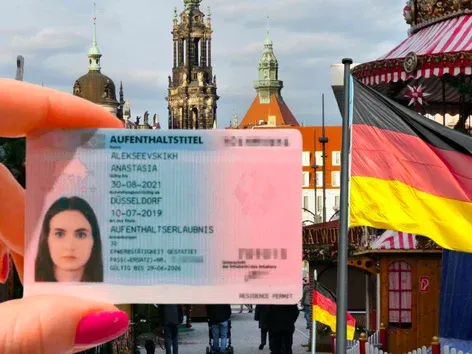
The German authorities have revised the fees for issuing identity cards, increasing them from February 2026. The changes affect both the cost of the documents and the conditions for obtaining them for certain categories of the population. Find out what changes have already come into force and how they will affect citizens

On February 7, 2026, new fees for issuing identity cards (Personalausweis) came into effect in Germany. The cost of the document has increased by approximately 25%, which is a significant change for the country's citizens.
New prices for ID cards
From now on, the cost of obtaining an identity card is:
For persons aged 24 and over — €46 (previously €37)
For persons under 24 — €27.60 (previously €22.80)
Urgent replacement of a lost document — €32 (previously €8)
The cost of urgent document replacement has increased significantly, rising fourfold.
Don't want to miss important updates and useful articles? Subscribe to our weekly newsletter!
What has changed for pensioners?
An important innovation concerns citizens aged 70 and over: from now on, they will be issued with identity cards that are valid indefinitely. This means that they no longer need to renew their documents regularly, which greatly simplifies the lives of elderly people.
This is not the first attempt to revise the cost of ID cards. In December 2025, the changes were blocked by the Bundesrat, but after further refinement, the decision was finally adopted and officially entered into force in February 2026.
The increase in fees is linked to the rise in the cost of producing documents, the introduction of new security technologies, and administrative costs.
What does this mean for citizens?
The new fees mean additional costs for those who plan to apply for or replace their ID card in the near future. At the same time, the changes are a positive step for pensioners, reducing the bureaucratic burden on this group.
Overall, the changes show a trend toward the gradual increase in the cost of administrative services in Germany amid the modernization of public services.
On the Visit Ukraine platform, you can get professional help from immigration lawyers regarding legalizing your stay in Germany, extending your temporary protection status, submitting applications to German authorities, and working with electronic services, including BundID.

We remind you! Germany is changing its social support rules for the unemployed, making the system more stringent. Read about what Grundsicherung is, what sanctions will be introduced in 2026, and how these changes will affect Ukrainians in Germany.
Want to know more? Read the latest news and useful materials about Ukraine and the world in the News section.
Our recommendation for a safe and comfortable trip:
Visit Ukraine Insurance - insurance for a safe stay abroad without unnecessary expenses;
Green Card - compulsory car insurance for traveling abroad;
Visit Ukraine Tickets - book tickets for buses, trains, and airplanes to/from Ukraine and between cities around the world;
Private Lawyer service - professional legal support on visa and migration issues;
Visit Ukraine Merch - buy patriotic clothing and accessories with worldwide delivery.
© 2018-2026, Visit Ukraine. Use, copying or reprinting of materials on this site is permitted only with a link (hyperlink for online publications) to Visit Ukraine.
All rights reserved.
Recommended articles
2 min
For refugees
The Czech Republic is tightening the conditions for Ukrainians to obtain long-term residence and is placing an emphasis on economic self-sufficiency. Find out what new requirements the government is setting and who will be eligible for special status
21 Feb. 2026
More details2 min
Emigration
Polish citizenship in 2026: will the requirements be tightened and what will change for foreigners
Poland is preparing changes to the rules for foreigners to obtain citizenship. Find out what the current requirements are, whether the residence period will be extended, and what this means for Ukrainians
22 Feb. 2026
More details2 min
Popular
Daylight saving time 2026: dates for changing clocks in different countries around the world
Every year, dozens of countries switch their clocks to daylight saving time, and 2026 will be no exception. The dates of the transition vary by region, from March in North America and Europe to April in Australia and New Zealand. Learn more about the exact dates for changing the clocks in different countries around the world and regional features of daylight saving time in 2026
23 Mar. 2026
More details2 min
For refugees
Ireland has extended temporary protection for Ukrainians: for how long?
Many Ukrainians in Ireland have been waiting for clarity regarding their future status — and the authorities have finally made a decision. Temporary protection will continue to apply, but along with the extension come new nuances and questions about further legalisation. Find out how long the status is valid for and what is important to do now
21 Feb. 2026
More details