


.gif)
The number of Ukrainians under temporary protection in the EU is rising: where is the biggest increase?
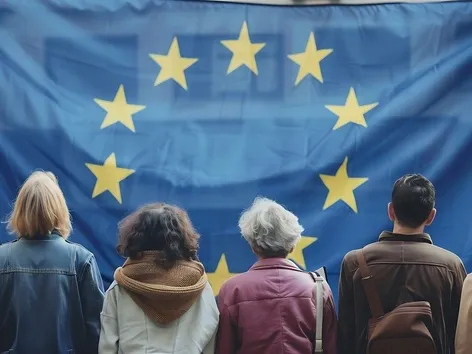
The number of Ukrainians under temporary protection in the EU continues to rise. Find out which countries are seeing the biggest increase, where the number of refugees is declining, and how the migration situation is changing

The number of Ukrainian citizens in European Union countries under temporary protection continues to rise. As of the end of February 2026, 4.40 million Ukrainians with this status were registered in the EU. Over the course of the month, this figure increased by 22,415 people, representing a 0.5% rise. These figures were released by Eurostat.

Where in the EU has the number of Ukrainians grown the most?
The largest increase in the number of Ukrainians under temporary protection was recorded in several European countries. Germany took the lead—there, the number of Ukrainian citizens rose by 7,245 people (+0.6%). Significant growth was also observed in the Czech Republic — +2,445 people (+0.6%) — and Spain — +2,425 people (+0.9%).
Don't want to miss important updates and useful articles? Subscribe to our weekly newsletter!
Where has the number of Ukrainian refugees decreased?
Despite the overall upward trend, the number of Ukrainians has decreased in some European Union countries. The largest decreases were recorded in:
● Estonia — a decrease of 710 people (−2.1%);
● France — a decrease of 465 people (−0.9%);
● Luxembourg — a decrease of 5 people (−0.1%).
Who exactly is under temporary protection?
Eurostat statistics also show the distribution of Ukrainians by category. Women make up the largest share—43.5%. Children account for 30.2% of the total, and men—26.3%.
Tip: For those planning to travel or move between European countries, it is important to prepare for the trip in advance. In particular, if traveling by car, it is worth checking that you have the necessary documents and paying road tolls — you can purchase an electronic vignette for travel on EU roads online via Visit Ukraine, which helps avoid fines and save time on the road.

We remind you! In the first quarter of 2026, the number of new asylum requests from Ukrainians in the EU dropped sharply by 57%. While some European countries are discussing strict entry restrictions for foreigners, others continue to provide full support. Read about where refugees have stopped going and where protection status has been extended until 2027.
Photo: aishazeyn / Freepik
Want to know more? Read the latest news and useful materials about Ukraine and the world in the News section.
Our recommendation for a safe and comfortable trip:
Visit Ukraine Insurance - insurance for a safe stay abroad without unnecessary expenses;
Green Card - compulsory car insurance for traveling abroad;
Visit Ukraine Tickets - book tickets for buses, trains, and airplanes to/from Ukraine and between cities around the world;
Private Lawyer service - professional legal support on visa and migration issues;
Visit Ukraine Merch - buy patriotic clothing and accessories with worldwide delivery.
© 2018-2026, Visit Ukraine. Use, copying or reprinting of materials on this site is permitted only with a link (hyperlink for online publications) to Visit Ukraine.
All rights reserved.
Recommended articles
2 min
For refugees
Ukrainians in the EU will soon have to transition from temporary protection to a residence permit. Find out what the 5 most common mistakes are and how to avoid them so you don’t lose your status
10 Apr. 2026
More details2 min
Travel
Europe is saying goodbye to passport stamps! With the launch of the EES digital system, Schengen entry rules have changed dramatically. The mandatory submission of fingerprints and photos now risks leaving tourists stuck in hours-long lines at the border. Find out who is exempt from biometric requirements and how to avoid missing your flight
10 Apr. 2026
More details2 min
For refugees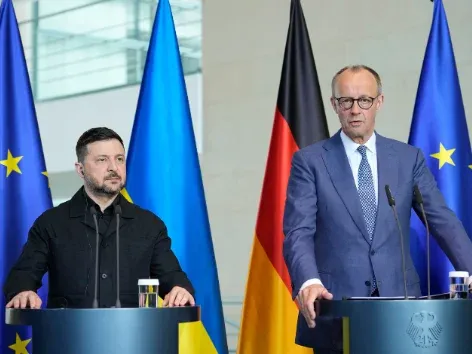
Are European residency rules for Ukrainians changing? Germany is already reviewing its policy on refugees of conscription age. Zelenskyy and Merz discussed the return of men for rotation in the Armed Forces of Ukraine due to restrictions on residency status and cuts to benefits. Find out which Ukrainians face the risk of actual deportation
15 Apr. 2026
More details