


.gif)
Vacationing in Turkey in the Summer of 2026: 9 Important Tips and Warnings for Travelers
- 1. Passport and visa requirements: Turkey requires a passport valid for 150 days
- 2. Political Situation and Demonstrations
- 3. Be cautious around strangers and beverages
- 4. The danger of methanol in alcohol
- 5. Taxis: Meter and Car License Plate Number
- 6. Carry ID with you — mandatory
- 7. Dress code at religious sites
- 8. Stray dogs: don’t approach them, and if bitten—see a doctor immediately
- 9. Antiques: up to 12 years in prison for export
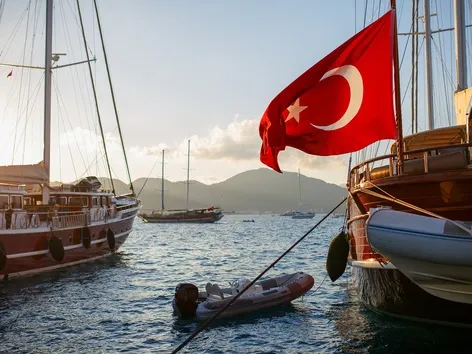
Turkey remains one of the most popular destinations for Ukrainian tourists, but it’s important to be aware of key risks and regulations before traveling. Find out what the UK Foreign Office warns about and what you need to consider before vacationing at Turkish resorts

Turkey has traditionally been one of the most popular summer destinations for Ukrainians. But along with the sun, sea, and affordable prices, there are a number of things you should know in advance. The publication Express has published recommendations from the UK Foreign Office that are relevant for all tourists traveling to Turkey this summer. Let’s break down the most important ones.
Read also: A trip to the seaside with a dog: which cities should tourists choose?
1. Passport and visa requirements: Turkey requires a passport valid for 150 days
The first thing to check before you leave home is the validity of your passport. While for most EU countries it is sufficient for a passport to be valid for at least 3 months after the departure date, Turkey has set a stricter standard—150 days, or five months. Check your passport in advance. You will also need at least one blank page for stamps.
Ukrainian citizens can stay in Turkey without a visa for up to 90 days within a 180-day period.
By the way, you should also arrange for travel insurance before your trip. You can quickly purchase travel insurance online through the Visit Ukraine platform.

2. Political Situation and Demonstrations
Currently, opposition protests are taking place regularly in Istanbul and other cities across Turkey. The situation sometimes escalates to the point where police use tear gas and water cannons.
In addition, events in Israel and Palestine have led to increased tensions in various regions of the country: demonstrations are taking place in major cities near diplomatic missions, particularly near Israeli diplomatic missions in Ankara and Istanbul. Tourists are strongly advised to avoid such gatherings.
Note: Travel to the 10-kilometer zone near the border with Syria is not recommended due to the threat of terrorism.
3. Be cautious around strangers and beverages
Tourists are urged to exercise caution with strangers who offer to exchange money or invite them to a restaurant or nightclub. Such encounters often end badly.
A separate threat highlighted by the Ministry of Foreign Affairs: there have been reported cases in Turkey of drugs being spiked into tourists’ food and drinks. The recommendations are simple but critically important: purchase your own food and drinks at nightclubs and always keep them in sight.
Don't want to miss important updates and useful articles? Subscribe to our weekly newsletter!
4. The danger of methanol in alcohol
One of the most dangerous threats is illegally produced alcohol and counterfeit bottles of well-known brands containing methanol. It is impossible to detect by taste or smell, yet even a small amount of this substance can be fatal.
Buy alcohol only from reputable stores and do not accept suspicious offers on the beach or from strangers.
5. Taxis: Meter and Car License Plate Number
In Turkey, it is risky to use the services of unlicensed taxi drivers—this can result in both financial loss and a safety hazard. But even with a registered taxi, caution is needed: before getting in, write down the car’s license plate number and make sure the driver has turned on the meter. The best option is to use taxis through official apps, where the route and price are set in advance.
6. Carry ID with you — mandatory
In Turkey, carrying photo ID is mandatory: this can be a passport, ID card, or residence permit. This is especially important in Istanbul and busy tourist areas, where authorities conduct regular document checks. There are also numerous police checkpoints along major roads. If you are stopped for a check, fully cooperate with the police.
7. Dress code at religious sites
Planning to visit a mosque or other religious site? Make sure you have appropriate clothing in advance. Revealing outfits and exposed shoulders or knees are unacceptable. This applies to both women and men. Usually, there are shawls and coverings for tourists at the entrance to mosques, but it’s better to bring your own.
8. Stray dogs: don’t approach them, and if bitten—see a doctor immediately
Most Turkish cities have stray dogs. Packs may gather in parks and vacant lots and can be aggressive. Tourists are advised not to approach them. If a bite does occur, seek medical attention immediately: rabies and other diseases transmitted by animals are common in Turkey.
9. Antiques: up to 12 years in prison for export
This is a rule that few people know about in advance. The purchase and export of antiques from Turkey are strictly prohibited. Violators face a heavy fine and imprisonment for a term of 5 to 12 years. Some items may be sold domestically at markets or in stores, but they cannot be legally exported. Before purchasing any antique item, be sure to check its legal status.
We remind you! Summer heat in Europe is becoming increasingly intense, and popular tourist cities are losing their appeal for travelers. At the same time, there are destinations where a pleasant climate and fresh air remain even at the height of the season. Read more about 5 locations in Europe that are ideal for a vacation without the sweltering heat.
Photo: alexgrec / Freepik
Want to know more? Read the latest news and useful materials about Ukraine and the world in the News section.
Our recommendation for a safe and comfortable trip:
Visit Ukraine Insurance - insurance for a safe stay abroad without unnecessary expenses;
Green Card - compulsory car insurance for traveling abroad;
Visit Ukraine Tickets - book tickets for buses, trains, and airplanes to/from Ukraine and between cities around the world;
Private Lawyer service - professional legal support on visa and migration issues;
Visit Ukraine Merch - buy patriotic clothing and accessories with worldwide delivery.
© 2018-2026, Visit Ukraine. Use, copying or reprinting of materials on this site is permitted only with a link (hyperlink for online publications) to Visit Ukraine.
All rights reserved.
Recommended articles
2 min
Travel
The beach season in the Mykolaiv region: will the beaches open in 2026?
In the Mykolaiv region, the beach season remains closed due to high security risks and the proximity to the front line. The authorities are warning of the threat posed by drones and artillery. Find out where you can swim safely in 2026
07 May. 2026
More details2 min
Travel
Where to go in Europe this summer: Tropea and Bilbao—the two trendiest destinations of the season
Tripadvisor has identified two European cities that have become the hottest destinations among travelers this summer. Both locations still retain their authentic atmosphere and reasonable prices, but are rapidly gaining popularity. Learn more about Tropea and Bilbao—destinations worth visiting before the wave of mass tourism hits
10 May. 2026
More details2 min
Travel
How to Save Money While Traveling in Europe: 8 Tourist Mistakes That Make You Pay More
Traveling in Europe can be much cheaper if you avoid common tourist mistakes. Find out how to save on food, transportation, museums, and tours in the EU without sacrificing comfort or the travel experience
11 May. 2026
More details2 min
Travel
Thailand is shortening the duration of its visa-free scheme: the changes will also affect Ukrainians
The era of extended holidays in Thailand without the need for additional documents is rapidly coming to an end. Thailand is officially reducing the visa-free stay for tourists from Ukraine and dozens of other countries from 60 to 30 days. Find out what lies behind these strict measures and how to legally extend your holiday
21 May. 2026
More details