


.gif)
The war around Iran is driving up airfare prices: how is the conflict in the Middle East affecting flights around the world?
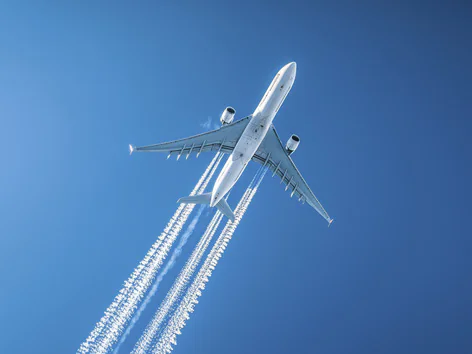
The war surrounding Iran is already affecting the global air travel market and forcing carriers to raise fares. Find out why tickets are becoming more expensive, which routes have been most affected, and how the conflict is impacting global tourism

The escalating situation surrounding Iran has already begun to affect not only flight safety, but also the cost of air travel worldwide. Due to the surge in oil and jet fuel prices, carriers are reviewing their fares, changing routes, and preparing for a possible decline in demand. This is most noticeable on international flights between Asia, Europe, and the Middle East, according to Reuters.
Why have airfares started to rise?
After the escalation of the war between the US and Israel against Iran, oil prices rose sharply, followed by aviation fuel prices. According to Air New Zealand, while fuel cost around $85–90 per barrel before the conflict, the price has risen to $150–200 in recent days.
This is a critical factor for airlines, as fuel is the second largest expense after salaries and usually accounts for 20–25% of operating costs. Therefore, carriers have begun to shift part of the financial burden onto passengers.
For this reason, Australia's Qantas Airways and New Zealand's Air New Zealand have already announced increases in fares for international flights. Air New Zealand has also suspended its financial forecast for 2026 due to market uncertainty.
Don't want to miss important updates and useful articles? Subscribe to our weekly newsletter!
Which airlines have already changed their fares?
Air New Zealand has already raised its economy class ticket prices and warned that this may not be a final decision if fuel remains expensive.
Qantas Airways has announced not only a review of international fares, but also a possible redistribution of flights to Europe. The reason is the reluctance of airlines and passengers themselves to fly through the unstable airspace of the Middle East.
Hong Kong Airlines has also announced a 35.2% increase in fuel surcharges. This will have the greatest impact on flights between Hong Kong and the Maldives, Bangladesh, and Nepal.
Against this backdrop, Cathay Pacific, on the contrary, is trying to partially compensate for the shortage of transportation and has announced additional flights to London and Zurich in March.
How is the war affecting routes and flight safety?
In addition to prices, the conflict is also directly affecting international transport logistics. Due to the risks to civil aviation, companies are forced to avoid part of the Middle East's airspace, which means longer routes, higher fuel costs, and fewer available flights.
According to Flightradar24, on March 10, planes bound for Dubai were temporarily circling in the air due to a possible missile attack. In the end, all flights landed safely, but the episode itself showed how quickly the security situation can change the operation of aviation.
Due to the closure of airspace and the limited number of flights, prices on routes between Asia and Europe have already risen sharply.
When planning an international trip in such conditions, it is important to consider not only the route and ticket price, but also medical coverage. For Ukrainians traveling abroad, a good solution may be to take out medical insurance on Visit Ukraine — especially now, when travel is becoming less predictable and any changes to flights or routes may be accompanied by additional costs.

The tourism market is already feeling the effects
Problems in aviation have begun to affect the tourism business. South Korean company HanaTour Service is already canceling group tours that include flights to the Middle East.
Thailand is also predicting serious consequences. If the conflict lasts more than eight weeks, the country could lose nearly 596,000 tourists and approximately $1.29 billion in tourism revenue.
Is there a chance for stabilization?
After a sharp drop in airline stocks on March 9, the market partially calmed down. This happened after US President Donald Trump suggested that the war could end in the near future.
Against this backdrop, the price of oil fell to around $90 per barrel on March 10 after peaking at $119 the day before. However, airlines are not rushing to cancel fare increases yet, as the situation remains unstable and the risks of new jumps are high.
We remind you! Temporary air traffic restrictions are being introduced in eastern Poland near the borders with Belarus and Ukraine. The new rules will be in effect for three months and prohibit flights in the border area. Read when the restrictions will take effect and which flights will be subject to the new rules.
Photo: fernandocortesde / Freepik
Want to know more? Read the latest news and useful materials about Ukraine and the world in the News section.
Our recommendation for a safe and comfortable trip:
Visit Ukraine Insurance - insurance for a safe stay abroad without unnecessary expenses;
Green Card - compulsory car insurance for traveling abroad;
Visit Ukraine Tickets - book tickets for buses, trains, and airplanes to/from Ukraine and between cities around the world;
Private Lawyer service - professional legal support on visa and migration issues;
Visit Ukraine Merch - buy patriotic clothing and accessories with worldwide delivery.
© 2018-2026, Visit Ukraine. Use, copying or reprinting of materials on this site is permitted only with a link (hyperlink for online publications) to Visit Ukraine.
All rights reserved.
Recommended articles
2 min
Popular
Due to the conflict in the Middle East, international airlines are changing their flight routes and concentrating flights in narrow air corridors. Find out how the closure of the skies is affecting flight times, global aviation, and routes between Europe and Asia
08 Mar. 2026
More details2 min
For refugees
5.6 million Ukrainians are still abroad. How many of them actually plan to return?
In 2026, 5.6 million Ukrainians live far from home. While the older generation is gradually returning to their homeland, young people from large cities continue to settle in Germany and Poland. Find out how many refugees actually plan to return to Ukraine
07 Mar. 2026
More details2 min
Finance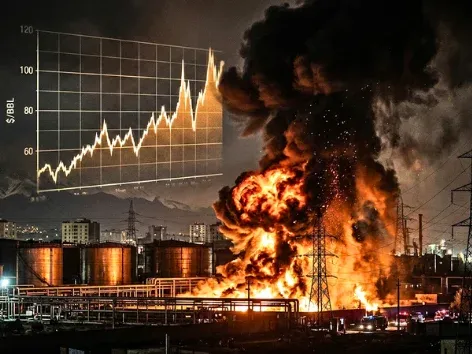
Oil prices have skyrocketed: how will this affect fuel in Ukraine?
Global oil prices have risen sharply amid tensions in the Middle East and the threat of supply disruptions. Experts warn that rising raw material prices could quickly affect the cost of petrol and diesel in Ukraine, as the country depends on fuel imports. Find out how fuel prices at Ukrainian petrol stations may change and what drivers can expect in the near future
09 Mar. 2026
More details2 min
Real estate
Shelters in every new building: Ukraine tightens building regulations
The era of constructing buildings without bomb shelters has officially come to an end. The new law obliges developers to include protective structures in the designs of all new buildings and infrastructure facilities without exception. Find out how these regulations will change Ukrainian cities and strengthen the civil defence system
10 Mar. 2026
More details