


.gif)
The Netherlands is restricting refugees’ rights: a new law on asylum and family reunification
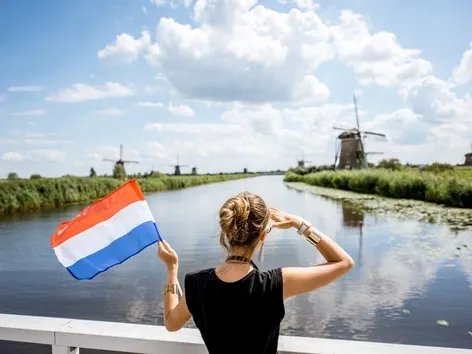
The Netherlands is changing its asylum rules and restricting refugees’ rights, particularly regarding family reunification. Find out how the new system will work, who will be affected by the changes, and when they will take effect

The Netherlands has passed a new law that changes asylum rules and significantly restricts opportunities for family reunification. The law introduces a two-tier system that defines refugees’ rights differently depending on the reasons for their departure from their home country. This is reported by the NL Times.
The two-tier asylum system: how it will work
Under the new rules, asylum seekers will be divided into two categories—Status A and Status B.
Status A will be granted to people who are forced to leave their country due to personal persecution—for religious, ethnic, or political reasons, or because of their sexual orientation. They will be granted a three-year residence permit. At the same time, the new law eliminates the possibility of obtaining a permanent residence permit for this category.
Status B will be granted to individuals fleeing war, violence, or the effects of climate change. It is for this group that the strictest restrictions are being introduced, particularly regarding family reunification.
Don't want to miss important updates and useful articles? Subscribe to our weekly newsletter!
Restrictions on family reunification: what will change
The most controversial part of the reform is the new rules for family reunification. For refugees with B status, the following applies:
● a mandatory two-year waiting period before submitting an application for reunification;
● a requirement to have a stable income;
● availability of housing suitable for the entire family.
These conditions significantly complicate the process of bringing family members to the Netherlands, especially for those who have just received status and do not yet have financial stability.
Read also: how are some European countries gradually closing their doors to men from Ukraine?
When will the law take effect?
The new rules will take effect on June 12, 2026. They are aligned with the implementation of the EU Pact on Migration and Asylum. Importantly, the law will apply not only to new applications but also to family reunification requests already submitted. In particular, this applies to applicants from Syria and Eritrea.
What else does the law provide for?
In addition to changes to the asylum system, the Dutch Senate rejected an initiative to criminalize illegal residence in the country. In other words, despite the tightening of migration policy, this provision was not supported. Overall, the government justifies the reform by the need to streamline the asylum system and reduce the burden on social support mechanisms.
Although the new law does not directly apply to Ukrainians with temporary protection, it reflects a general trend toward stricter immigration policies across EU countries. This could affect future residency rules, status extensions, or conditions for other categories of migrants.
Under these circumstances, it is important to closely monitor changes in legislation and properly prepare documents. If you are planning to move or are already abroad, it is advisable to consult in advance regarding your status and rights. In particular, through Visit Ukraine, you can get advice from immigration lawyers who will help you understand the requirements and avoid mistakes when preparing documents.

We remind you! The Netherlands has changed its rules for accepting Ukrainians under temporary protection—now all key procedures are conducted at a new address. This important update concerns document processing, status confirmation, and scheduling visits to the IND. Read more about the new address, deadlines, and how to prepare for your visit.
Photo: rosshelenphoto / Freepik
Want to know more? Read the latest news and useful materials about Ukraine and the world in the News section.
Our recommendation for a safe and comfortable trip:
Visit Ukraine Insurance - insurance for a safe stay abroad without unnecessary expenses;
Green Card - compulsory car insurance for traveling abroad;
Visit Ukraine Tickets - book tickets for buses, trains, and airplanes to/from Ukraine and between cities around the world;
Private Lawyer service - professional legal support on visa and migration issues;
Visit Ukraine Merch - buy patriotic clothing and accessories with worldwide delivery.
© 2018-2026, Visit Ukraine. Use, copying or reprinting of materials on this site is permitted only with a link (hyperlink for online publications) to Visit Ukraine.
All rights reserved.
Recommended articles
8 min
For refugees
Can You Obtain Renewed Protection in the EU: Current Rules for Ukrainians in 2026
Temporary protection in the EU for Ukrainians has been extended, but the rules have become stricter in 2026. The eligibility criteria have changed, new restrictions have been introduced, and there are now differences between countries. Learn more about how temporary protection works in Europe and what you need to consider before moving
24 Apr. 2026
More details2 min
Documents
What should men do if their Ukrainian passport expires abroad?
Currently, the provision of consular services for Ukrainian men of military age in Europe is limited. Learn more about what to do if your passport has expired and what services are not available with an expired document
22 Apr. 2026
More details2 min
For refugees
Ukrainians are leaving one of the EU countries in droves: around 75% of refugees have already left
Whilst millions of Ukrainians are settling in specific parts of Europe, nearly 75% of migrants have already left certain EU countries. Meanwhile, demographers are sounding the alarm, predicting a second wave of migration. Find out which European country Ukrainians are leaving en masse and why experts believe that 80% of citizens may remain abroad permanently
22 Apr. 2026
More details