


.gif)
After March 4, 2027: How Can Ukrainians Regularize Their Status in Germany and Avoid Losing It?
After March 4, 2027, Ukrainians in Germany will lose their status. Find out how to regularize your status, what options remain, and how to avoid losing your right of residence

March 4, 2027, is already becoming a pivotal date for Ukrainians in Europe—that is when temporary protection in the EU expires. However, the main issue is not the date itself, but what to do after it. As relocate.to reports, there is no provision for automatic extension of stay in Germany, so everyone will have to switch to a different type of residence permit.
Why won’t status be automatically extended after 2027?
Germany does not plan to create a separate special status for Ukrainians after §24 expires. This means that staying in the country will only be possible on general grounds. Key criteria:
● having a job or income;
● education or training;
● family reasons;
Simple scenarios like “moving in with relatives” or “registering and staying” won’t work.
Can you move to Germany from another EU country?
Having status in another EU country, such as Poland (PESEL UKR or residence card), does not grant the right to long-term residence in Germany. This means you can stay in the country for up to 90 days within the Schengen Area, but to live there, you must apply for a new status specifically in Germany.
A common misconception is that it is sufficient to complete the Anmeldung (residence registration). In reality, the process is reversed: first, you must obtain a residence permit, and only then can you register.
Don't want to miss important updates and useful articles? Subscribe to our weekly newsletter!
How does family reunification work in Germany?
Family reunification in Germany has clear restrictions. It is only possible for spouses, children, and parents (in exceptional cases). Siblings do not fall into the priority categories. Even in permitted cases, you must prove financial dependence, the availability of housing, and a stable income on the part of the sponsor. In practice, this route is available to very few.
Realistic ways to legalize your status in Germany after 2027
Employment is the most reliable option. Main formats:
● Blue Card for highly qualified professionals;
● standard work residence permit (§18a, §18b);
● vocational training.
Requirements for application: an employment contract, verified qualifications, and language proficiency.
Education is suitable for those willing to invest time in universities, vocational programs, or language courses. The advantage is legal status and the opportunity to remain after completing studies.
Important: After temporary protection ends, there is a transition period (6–12 months) during which you must change your status. Without a job or studies, this will be practically impossible.
In complex situations—such as when changing status or submitting documents—it is important not to act blindly. If necessary, you can seek advice from immigration lawyers through Visit Ukraine to assess your chances and avoid mistakes during the legalization process.

In which German states are the chances better?
The region also matters for obtaining status and finding work.
High chances:
● North Rhine-Westphalia — large labor market, many job openings;
● Baden-Württemberg — strong economy, demand for technical specialists.
Average chances:
● Bavaria — high salaries, but expensive housing;
● Hesse — jobs in the financial and logistics sectors;
● Hamburg — opportunities in international companies.
Low chances:
● Berlin — an overburdened system, long lines;
● Eastern states — less competition for housing, but limited employment opportunities.
Yes, after March 4, 2027, Ukrainians will have to fully transition to Germany’s standard immigration rules. The key to legal residency is integration: work, education, or family ties. The sooner you start preparing for the change in status, the better your chances of staying in the country without risking the loss of your right to reside.
We remind you! Ukrainians with temporary protection under §24 in Germany are increasingly interested in the possibility of naturalization. The law allows this period to be counted toward the required length of residence, but to apply for citizenship, you must meet a number of additional conditions. Read more about naturalization requirements, changing your residence permit type, and nuances that may affect your path to a German passport.
Photo: pakawadeewo / Freepik
Want to know more? Read the latest news and useful materials about Ukraine and the world in the News section.
Our recommendation for a safe and comfortable trip:
Visit Ukraine Insurance - insurance for a safe stay abroad without unnecessary expenses;
Green Card - compulsory car insurance for traveling abroad;
Visit Ukraine Tickets - book tickets for buses, trains, and airplanes to/from Ukraine and between cities around the world;
Private Lawyer service - professional legal support on visa and migration issues;
Visit Ukraine Merch - buy patriotic clothing and accessories with worldwide delivery.
© 2018-2026, Visit Ukraine. Use, copying or reprinting of materials on this site is permitted only with a link (hyperlink for online publications) to Visit Ukraine.
All rights reserved.
Recommended articles
3 min
Real estate
How to Find Housing in Germany in 2026: Best Rental Platforms, Prices and Tips for Ukrainians
In 2026, finding housing in Germany has become more difficult due to high demand and rising prices, especially in major cities. However, trusted platforms and the right search strategy can significantly speed up the process and help you avoid scams. Learn more about the best rental websites, current prices, and practical tips for Ukrainians
28 Apr. 2026
More details3 min
Documents
Transition from Paragraph 24 for Ukrainians in Germany: What Are the Options in 2026?
Paragraph 24 has been extended in Germany until 2027, but more and more Ukrainians are considering changing their status. Work visas, Blue Cards, study programs, or business opportunities—there are several options, but each comes with its own requirements and risks. Learn more about the transition options available in 2026 and when it actually makes sense
19 Apr. 2026
More details2 min
War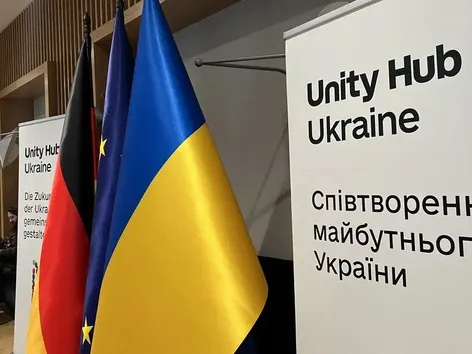
The first Ukrainian Unity Hub, Unity Hub Berlin, has opened in Berlin to support migrants. Find out what services are available there, how the center works, and why it is important ahead of changes to the rules governing Ukrainians’ stay in the EU
16 Apr. 2026
More details2 min
For refugees
Germany tightens rules: Ukrainians may lose benefits for refusing work
Germany has tightened the rules for recipients of social assistance. Now, Ukrainians under temporary protection may lose their benefits after just one refusal to work. Find out how the rules are changing and who is affected
27 Apr. 2026
More details