


.gif)
Slavic Literature and Culture Day: the history and traditions of the festival

Every year on 24 May, the world celebrates the great legacy of Saints Cyril and Methodius. Immerse yourself in the fascinating story of how our alphabet came into being and uncover the secrets of the ancient alphabets that forever changed the course of cultural development. Find out how Glagolitic differs from Cyrillic, and learn about the significance of this holiday

Every year, millions of people turn to search engines to find out more about one of the most important cultural and historical celebrations. 24 May is traditionally celebrated as the Day of Slavic Writing and Culture. This date unites peoples whose languages, literature and identity stem from a single, deep-rooted source. The holiday coincides with the commemoration of Saints Cyril and Methodius, the Equal-to-the-Apostles brothers, whose legacy forever changed the course of history.
The Visit Ukraine project offers a limited-edition collection of patriotic merchandise dedicated to Ukrainian identity, culture and indomitable spirit. Stylish hoodies, T-shirts with meaningful prints and accessories are a great way to show the world the strength of your heritage, whether you’re at home or abroad. A portion of the proceeds from sales is traditionally directed towards supporting Ukraine, so every purchase becomes a contribution to our shared victory.

Who created the Slavic alphabet and in what year?
The history of the Slavic alphabet dates back to the 9th century. In 863, the Byzantine emperor sent two scholar-brothers, Cyril and Methodius, on an educational mission to Great Moravia. Their main task was to translate Christian liturgical texts into a language understandable to the local inhabitants. To do this, they had to create a completely new system of symbols that could accurately convey the complex phonetics of the Slavic language.
The brothers undertook a colossal philological task, identifying specific sounds and selecting unique symbols for them. This event provided a powerful impetus for the development of literature, science and statehood.
What is the difference between Cyrillic and Glagolitic?
One of the most popular questions on the internet concerns these two ancient alphabets. Many people mistakenly believe that Cyril created the Cyrillic alphabet. In fact, historians and linguists agree that the first Slavic alphabet was Glagolitic. It was distinguished by its complex, ornate letter forms, unlike any other alphabet in existence at the time.
Historical fact: The Cyrillic alphabet appeared somewhat later. It is believed to have been developed by the disciples of the enlightening brothers (in particular, Clement of Ohrid).
The Cyrillic alphabet was based on Greek uncial script, with the addition of new letters to represent specific Slavic sounds. Thanks to its simplicity and ease of use, it eventually supplanted the Glagolitic alphabet and became the basis of the written language for Ukrainians, Bulgarians, Serbs, Belarusians and other peoples.
Don't want to miss important updates and useful articles? Subscribe to our weekly newsletter!
Why are Cyril and Methodius considered saints?
The significance of the Thessalonian brothers’ work extends far beyond mere linguistics. Cyril and Methodius gave peoples the opportunity to communicate, write and create in their native language, which in those days was a true revolution. Prior to this, it was believed that only three languages could be considered sacred: Hebrew, Greek and Latin.
The brothers faced the most brutal resistance, but managed to defend the Slavs’ right to their own writing system. For their colossal missionary work, enlightenment and the spread of literacy, both branches of the Christian Church — Eastern and Western — canonised them as saints.
How is Slavic Literature and Culture Day celebrated?
Today, this holiday is a unique phenomenon that combines secular and spiritual traditions. In many countries, it has the status of a public holiday. On this day, large-scale academic conferences and symposia of philologists and historians are traditionally held, where issues of language preservation in the era of globalisation are discussed.
In cities, book fairs, poetry readings, concerts by folk ensembles and exhibitions of ancient manuscripts are organised. It is a day when people pay tribute to their native language, literature and cultural identity, which has been carefully passed down from generation to generation over many centuries. And the sweatshirts and T-shirts from Visit Ukraine’s ‘Cultural Code’ collection will help make this celebration part of your everyday style, reminding the world of the richness and strength of Ukrainian culture.

A reminder! Vyshyvanka Day has long ceased to be merely a celebration of traditional clothing. For millions of Ukrainians, the vyshyvanka has become a symbol of remembrance, unity, cultural heritage and support for the country during the war. It is worn not only in Ukraine but also in dozens of countries around the world — at work, at school, at international events and at charity events. Today, the Ukrainian vyshyvanka combines ancient traditions with modern national identity, and interest in it continues to grow among young people and the Ukrainian diaspora. Find out more about the history of the holiday, the significance of Ukrainian embroidery and how Ukrainians view the vyshyvanka today.
Want to know more? Read the latest news and useful materials about Ukraine and the world in the News section.
We recommend purchasing it for a safe and comfortable trip to Ukraine:
Visit Ukraine Insurance – insurance covering military risks for entry and travel in Ukraine;
Visit Ukraine Car Insurance – car insurance with extended coverage in Ukraine;
Visit Ukraine Legal Advice – comprehensive legal support on entry to Ukraine;
Visit Ukraine Tickets – bus and train tickets to/from Ukraine;
Visit Ukraine Tours – the largest online database of tours to Ukraine for every taste;
Visit Ukraine Hotels – hotels for a comfortable stay in Ukraine;
Visit Ukraine Merch – patriotic clothing and accessories with worldwide delivery.
© 2018-2026, Visit Ukraine. Use, copying or reprinting of materials on this site is permitted only with a link (hyperlink for online publications) to Visit Ukraine.
All rights reserved.
Recommended articles
2 min
Events
Mother's Day: the history of the holiday and its main traditions
Mother’s Day is the perfect opportunity to show your love and care. Find out about the history of the holiday and discover some original gift ideas for your mum
10 May. 2026
More details2 min
Events
For decades, the Soviet authorities and the Russians turned the tragedy of the Second World War into an aggressive cult. But three years ago, Ukraine finally decided that on this day it would commemorate the victims alongside a free Europe. Find out why there are two dates for the surrender, how the Kremlin uses 9 May for its imperial ambitions, and why our departure from the myths of the USSR is final
08 May. 2026
More details3 min
Culture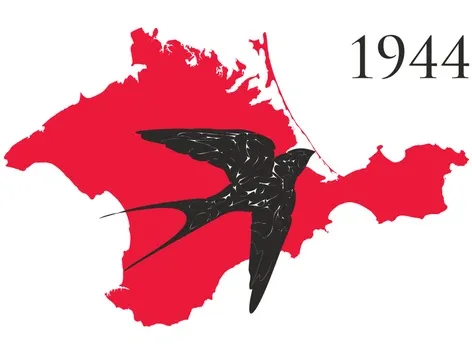
Every year on May 18, Ukraine honors the memory of the victims of the genocide of the Crimean Tatar people—a tragedy that began with the deportation of 1944. Learn about the history of this crime, its scale, and how repression against the Crimean Tatars continues today in occupied Crimea
18 May. 2026
More details2 min
Events
European Museum Day: where to go for free or at a discount
Do you dream of experiencing art without breaking the bank? International Museum Day offers you just that opportunity! In mid-May, hundreds of European galleries reduce ticket prices or waive admission fees altogether, so that everyone can enjoy world-class masterpieces. Find out which venues are open for free
18 May. 2026
More details