


.gif)
How to Survive Extreme Heat and Recognize Heat Stroke: Essential Rules That Could Save Your Life

The 2026 heatwave has already claimed more than 1,300 lives in Europe – and most of those deaths were avoidable. Learn how to drink water and eat properly in the heat, how to recognize heatstroke by its first symptoms and provide first aid, what you absolutely must not do in extreme heat, and who is at higher risk

June 2026 will go down in Europe's climate chronicle as one of the worst months in recorded history. In just one week – from June 21 to 28 – over 1,300 people died due to abnormal heat in Europe, as officially announced by WHO Director Tedros Ghebreyesus. In some regions, the temperature reached 40°C, and in France, about a thousand additional deaths were recorded – mostly among the elderly. Ukraine was also not spared by the wave: in several western regions, forecasters predicted +35…+37°C, and in Uzhgorod and Mukachevo – up to +37°C.
Given such difficult weather conditions, it is important to understand that heat kills not only those who stand in the sun for hours. It kills those who do not know the rules, and this article is not another list of tips, but a specific practical tool: what to do, what to avoid and how to recognize danger in time.
Read also: Heatwave paralyzes UK rail services in June 2026.
Planning a trip abroad? Get reliable medical insurance on the Visit Ukraine portal.

Why is heatwave becoming more dangerous?
According to the head of the WHO, heatwaves, which were previously considered a once-in-a-generation phenomenon, now occur almost every year, and European homes, workplaces and schools are simply not adapted to such temperatures.
It is not just uncomfortable - it is a systemic threat. Europe is heating up twice as fast as the rest of the planet, and almost 150 million people are currently living in extreme heat. The risk of an accident increases by 5-7% already when temperatures exceed 30°C and by 10-15% at temperatures above 38°C.
European unions demand relaxations due to heat
Against this backdrop, the European Trade Union Confederation (ETUC), which represents 45 million workers in 42 countries, is demanding that the European Commission legislate for paid “cooling breaks” during work. The impetus came from the “hydration breaks” introduced by FIFA at the 2026 World Cup to protect football players from the heat. The unions say that construction workers and drivers need this no less than sports stars. According to the European Environment Agency, 47% of workers have suffered from heat in the workplace, but only about 15% of employers have taken real protective measures.
We told you in a previous article about the bans introduced by European countries due to the heat.
Don't want to miss important updates and useful articles? Subscribe to our weekly newsletter!
How to protect yourself from the heat: practical advice
When the temperature breaks records, the usual advice like “drink more water” is no longer enough. To survive abnormal heat without harm to your health, it is important to understand how the body reacts to overheating and what really helps to reduce the risks.
How to drink water in the heat?
The first and most common myth: if you drink water, everything will be fine. However, during intense sweating, the body loses not only fluid, but also electrolytes - sodium, potassium, magnesium. Their deficiency leads to muscle spasms, weakness and heart rhythm disturbances. Therefore, to restore water balance, follow the following rules:
1. Drink water in small portions throughout the day - do not wait for thirst. By the time you feel thirsty, the body is already dehydrated.
2. If you are active or are outdoors - add an electrolyte drink or a pharmacy rehydration solution.
3 Avoid ice water. A sharp temperature drop provokes spasm of the stomach vessels and disrupts digestion. The optimal temperature is room temperature or slightly cool.
4. Caffeine and alcohol act as diuretics and accelerate dehydration. If you do not give up coffee, be sure to wash down each cup with a glass of clean water.
Rules for eating in the heat
It may seem unexpected, but what you eat directly affects how you tolerate the heat. Digesting food - especially heavy food - produces additional heat inside the body. This is called thermogenesis.
Therefore, in the summer, it is worth reviewing your diet. Foods with a high water content - cucumbers, watermelons, zucchini, berries, tomatoes - cool from the inside and help maintain water balance. On the other hand, it is better to postpone red meat and dishes with a lot of fat during the day: the body spends a lot of energy on their digestion and heats up even more.
The right clothes for hot days
The rule of natural fabrics in the heat is not an aesthetic whim, but a physiological necessity. Synthetics block the natural evaporation of sweat, which is the main mechanism for cooling the human body. Linen and cotton allow the skin to "breathe".
How to cool a room?
Regarding the room: during the day, it is better to keep windows and curtains closed to prevent hot air from entering. Ventilation only makes sense at night or in the morning, while the street is cooler than the room.
Emergency help at the first signs of overheating
It is especially worth knowing about the so-called “cooling points”: if you feel critical overheating, apply a cool, damp towel to your wrists, the back of your neck or the hollows under your knees. Large blood vessels pass through these areas - by cooling them, you reduce your overall body temperature faster.
Physical activity on hot days
Heat is physical stress, and the body reacts to it by producing cortisol. The combination of overheating and intense exercise dramatically increases the risk for the cardiovascular system.
The rule is simple: postpone all active training or heavy physical work until before 9:00 a.m. or after 7:00 p.m. Peak solar activity – from 12:00 to 16:00 – is a time for shade and rest, not for running or working outside.
Find the 10 coolest countries in Europe for summer vacation here.
How to recognize heat stroke and what to do?
Even following all the advice cannot guarantee you 100% protection from heat stroke.
What is heat stroke?
Heat stroke is a form of hyperthermia, in which the body temperature rises sharply due to a violation of thermoregulation. Sunstroke is a type of heat stroke: during it, the brain overheats primarily under the influence of direct sunlight, while heat stroke covers the entire body.
Heat stroke can occur not only outdoors in hot weather, but also in transport, in a poorly ventilated room, in a sauna or during physical exercise during the peak of solar activity. The risk increases with a combination of high humidity and high air temperature.
Symptoms of heat stroke
Body temperature above 40°C, intense headache with dizziness, severe weakness, rapid pulse, which can reach 130–150 beats per minute. This is accompanied by nausea, vomiting, redness of the skin, and in severe cases – confusion, hallucinations and convulsions. An important alarm signal: when heat stroke is caused by external heat, a person stops sweating, despite a critical body temperature.
In severe cases, consciousness may be absent – stupor or coma. In 30% of cases, severe heat stroke can be fatal.
What to do if there are signs of heat stroke?
At the first signs of overheating, it is necessary to transfer or move the victim to a cool place. Self-diagnosis of the severity of the condition is not recommended. The next step is to call an ambulance. While it is driving: cool the person down – wet the face, neck, wrists with cool water; place a damp cloth on the forehead; unbutton clothing. If you suspect heatstroke in yourself or your loved ones, call 103 – the dispatcher will help you navigate and, if necessary, send an emergency medical team.
Who needs special attention in the heat?
Risk groups: children, adolescents, the elderly and those with chronic diseases are most often affected by extreme heat and need special attention.
What not to do in the heat?
A few common mistakes that can cost you dearly:
- Do not leave children or animals in a closed car, even for a few minutes.
- Do not try to “cool down” with a sharp contrast shower during overheating - this can provoke vascular spasm.
- Do not ignore nausea, dizziness and the feeling of “flies” before the eyes - this is a signal from the body, not just fatigue.
- Do not drink alcohol - it masks the symptoms of dehydration and accelerates overheating.
Abnormal heat is no longer a natural exotic, but a reality for which you need to be prepared. And this readiness begins with information.
The heat can overtake you anywhere - at home, on vacation, on a business trip. If heat stroke or overheating catches you abroad, the bill from the local hospital can be a serious blow to the budget.
Medical insurance from Visit Ukraine is a quick online protection that can be issued in a few minutes, even when you are already outside Ukraine. The policy covers emergency medical care, hospitalization, medications and transportation to the nearest medical facility.
Don't take any risks - take care of your insurance before your trip or right now on the Visit Ukraine portal!
Reminder! Extreme heat is increasingly affecting the European tourism industry. Some travelers are already postponing their vacations to autumn or choosing cooler countries instead of traditional Mediterranean resorts. Read more about how climate change is forcing tourists to reconsider their vacation plans.
Photo – Magnific
Want to know more? Read the latest news and useful materials about Ukraine and the world in the News section.
Our recommendation for a safe and comfortable trip:
Visit Ukraine Insurance – insurance for a safe stay abroad without unnecessary expenses;
Green Card – compulsory car insurance for travelling abroad;
Visit Ukraine Tickets – book tickets for buses, trains, and planes to/from Ukraine and between cities around the world;
Private Lawyer service – professional legal support on visa and migration issues;
Visit Ukraine Merch – purchase patriotic clothing and accessories with worldwide delivery.
© 2018-2026, Visit Ukraine. Use, copying or reprinting of materials on this site is permitted only with a link (hyperlink for online publications) to Visit Ukraine.
All rights reserved.
Recommended articles
2 min
Travel
Europe's Sunniest Beaches in 2026: Top 10 Resorts with the Least Summer Rain
Experts at hoppa have identified the sunniest beaches in Europe with the least amount of summer rainfall. Find out which resorts in Cyprus, Greece, Spain, and Portugal made the top 10 and where summer sunshine is practically guaranteed
13 Jun. 2026
More details2 min
Transport
The European Union has retained passengers’ right to compensation for flight delays and free carry-on baggage. The new rules will take effect in 2027 and will have a significant impact on low-cost carriers’ policies. Learn more about the new rules for air travelers in the EU
22 Jun. 2026
More details2 min
Travel
Where to Go in September 2026: Lonely Planet’s 6 Best Destinations in Europe
September is the perfect month to travel through Europe: fewer tourists, cooler weather, and better prices. Find out which six destinations Lonely Planet experts recommend visiting in the fall of 2026
28 Jun. 2026
More details2 min
Popular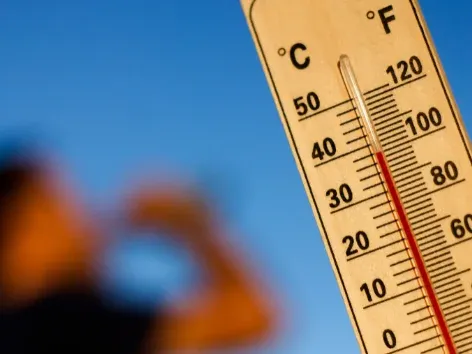
An unprecedented African high-pressure system has turned popular European countries into a zone of a veritable heatwave disaster. Temperatures exceeding 40 °C are damaging local infrastructure and leading to dozens of tragedies among tourists. Find out where the heat is peaking and how to stay healthy during your summer vacation
23 Jun. 2026
More details