


.gif)
A new outbreak? WHO acknowledges the seriousness of the Ebola outbreak

A deadly virus is making a comeback: an outbreak of the ‘Bundibugyo’ strain in Africa threatens to escalate into a global crisis. A lack of protective equipment, attacks on hospitals and budget shortfalls are hampering efforts to contain the infection in the Democratic Republic of the Congo and Uganda. Find out why the WHO recognises the gravity of the situation

The international community is once again facing a serious health threat. The World Health Organisation (WHO) has officially declared the situation regarding the new Ebola outbreak a public health emergency. Due to a lack of funding, instability in the affected areas and logistical problems, the virus continues to claim lives and spread beyond its initial areas of transmission.
What is the Ebola virus and how is it transmitted?
The disease caused by the Ebola virus is an acute and extremely severe viral infection that is often fatal. The current outbreak is caused by a specific strain of the virus known as ‘Bundibugyo’. The main danger of this disease lies in its high contagiousness through direct contact and its rapid progression within the human body.
The virus is transmitted from person to person exclusively through bodily fluids. Infection can occur through contact with the blood, saliva, sweat or vomit of an infected patient. This is why the relatives of patients and medical staff are at the highest risk.
The first symptoms of Ebola in humans
It can be difficult to recognise the disease in its early stages, as its onset is similar to that of many other viral infections. The incubation period can last from two days to three weeks. The disease begins with the sudden onset of a high fever, severe muscle weakness, headache and a sore throat.
As the infection progresses, patients experience severe vomiting and diarrhoea, and a rash appears. In the most severe cases, the virus affects the internal organs (primarily the liver and kidneys), after which both internal and external bleeding begins. Anyone suspected of having this condition must be placed in strict isolation immediately.
Don't want to miss important updates and useful articles? Subscribe to our weekly newsletter!
Ebola outbreak: where the virus has been detected
To date, the epicentre of the crisis is the Democratic Republic of the Congo (DRC). The infection was initially detected in Ituri province, but due to excessively slow diagnosis in the early days of the outbreak, the virus managed to spread beyond its borders. Subsequently, cases of infection were confirmed in North Kivu and South Kivu provinces, and the disease then crossed the national border.
According to the latest WHO data, 344 cases of infection have already been confirmed in the DRC, 60 of which have been fatal. The outbreak has spread geographically: in neighbouring Uganda, nine cases of the disease and one fatality have been officially confirmed, and one probable case of infection has been recorded.
WHO experts note that the time lost at the start of the epidemic was the main reason for the virus’s rapid spread.
WHO statement: why the situation is critical
WHO Director-General Tedros Adhanom Ghebreyesus has openly stated that the international community is currently lagging behind the pace of the epidemic. According to him, the outbreak has reached a serious scale, but under the leadership of the DRC government, medical professionals are gradually managing to make up for lost time.
To effectively combat the virus over the next three months, $115 million is needed, but at present, the organisations involved in the crisis response have received only 35% of the required funding.
Health insurance is an important tool for financial protection. The policy can cover the costs of treatment, medicines, transportation to the hospital and other medical services.
Take out insurance before your trip to be prepared for any situations abroad.

Reminder! Amid alarming news of lockdowns in Spain and Poland, the hantavirus is raising more and more questions. Find out how the virus is transmitted, what the real danger is, and whether a pandemic is to be expected.
Want to know more? Read the latest news and useful materials about Ukraine and the world in the News section.
Our recommendation for a safe and comfortable trip:
Visit Ukraine Insurance - insurance for a safe stay abroad without unnecessary expenses;
Green Card - compulsory car insurance for traveling abroad;
Visit Ukraine Tickets - book tickets for buses, trains, and airplanes to/from Ukraine and between cities around the world;
Private Lawyer service - professional legal support on visa and migration issues;
Visit Ukraine Merch - buy patriotic clothing and accessories with worldwide delivery.
© 2018-2026, Visit Ukraine. Use, copying or reprinting of materials on this site is permitted only with a link (hyperlink for online publications) to Visit Ukraine.
All rights reserved.
Recommended articles
3 min
Health
What Medications Can Be Brought Into Poland in 2026: Rules, Restrictions, and Documents
When traveling to Poland, many travelers bring antibiotics, insulin, painkillers, or medications for ongoing treatment. However, not everyone is aware that special import rules apply to certain medications, and some drugs may trigger additional checks at the border. Learn more about which medications are permitted to be brought into Poland in 2026, what documents you should have, and what could cause problems when crossing the border
21 May. 2026
More details2 min
Health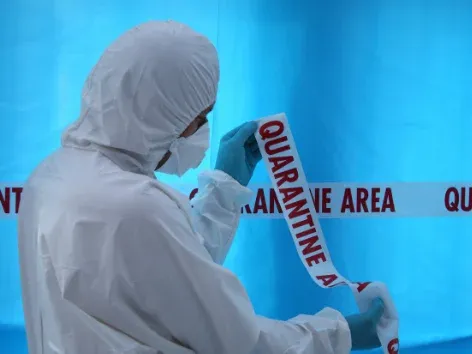
Hantavirus outbreak: Spain is the first country to impose a lockdown due to the new disease
A rare and dangerous infection on board the MV Hondius has forced Europe to take drastic measures. The Spanish authorities were the first to impose strict compulsory isolation on tourists to prevent the spread of hantavirus. Find out how the quarantine is being implemented in Madrid and what the symptoms of this disease are
09 May. 2026
More details3 min
For foreigners in UA
The Real Cost of Emergency Extraction from Ukraine
An emergency evacuation from Ukraine can cost anywhere from a few hundred to over 100,000 euros, depending on the route, the patient’s condition, and the type of transport. Find out how MEDEVAC differs from a standard evacuation, why standard insurance does not cover war risks, and how to avoid exorbitant costs when traveling to Ukraine
18 May. 2026
More details2 min
Health
Monitoring of Sick Leave in Ukraine 2026: New Rules for Verifying Medical Certificates
The Cabinet of Ministers has revised the rules for verifying sick leave certificates in Ukraine: extraterritorial oversight has been introduced, and the scope of inspections has been expanded. Learn more about the new requirements for verifying medical certificates in 2026
01 Jun. 2026
More details