


.gif)
Maslenitsa 2026 in Ukraine: dates, traditions, and significance of each day of the week
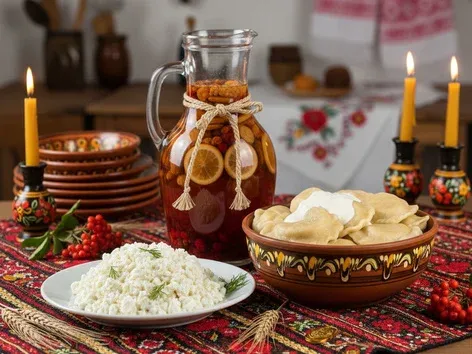
Maslenitsa, or Syropusny Week, is an ancient Ukrainian tradition that combines folk rituals with preparations for Lent. In 2026, the celebrations will take place from February 16 to 22, and each day of the week has a special meaning and its own customs. Learn more about the authentic Ukrainian traditions of Masnytsia, the rituals of each day, and the main festive dish, which has nothing to do with pancakes

Maslenitsa, or Syropustny Week, is one of the oldest holidays in the Ukrainian folk calendar. In 2026, the festive week begins on February 16 and lasts until February 22 inclusive. This is a time filled with special rituals, family gatherings, and preparations for Lent.
What Ukrainian traditions are associated with Maslenitsa, why the main dish of the holiday is not pancakes at all, and what is customary to do on each of the seven days of the week — we will tell you more in this article.

Maslenitsa dates in 2026 and the connection with Easter
Maslenitsa week does not have a fixed date and falls at different times each year. It is determined according to the date of Easter: Syropustny week always precedes Great Lent, which in 2026 begins on February 23 for Orthodox Christians. Accordingly, the celebrations last from Monday, February 16, to Sunday, February 22, the last day before the start of the strict forty-day fast.
It is this connection with the Easter cycle that makes Maslenitsa a movable holiday. In different years, it can fall at the end of January or the beginning of March. Therefore, every year it is worth checking the dates with the church calendar so as not to miss a single day of celebrations.
The history and significance of Maslenitsa in Ukraine
The origins of the holiday date back to the pre-Christian era and are closely linked to sun worship and the agricultural calendar. Our ancestors celebrated the symbolic boundary between the winter cold and the spring awakening of the earth.
The cult of ancestors also played a significant role: during these days, people honored the memory of deceased relatives by leaving ritual food for them.
After the baptism of Rus-Ukraine, the holiday became an integral part of Christian tradition. Syropust week became the last period in which it was allowed to consume dairy products, eggs, and fish before the long fast. That is why it was called Syropust — the week after which cheese and other dairy dishes were “released” (allowed). Another ancient Ukrainian name — Kolodiy — comes from the ritual of attaching a log to unmarried young men and women, jokingly urging them to start a family.
Don't want to miss important updates and useful articles? Subscribe to our weekly newsletter!
The main dish of Masnytsia in Ukraine is varenyky, not pancakes
The widespread perception of pancakes as a symbol of Masnytsia came to Ukraine during the Soviet era along with the imposition of all-Union traditions based on Russian customs. In Russian culture, round pancakes did indeed symbolize the sun and spring, but this image does not belong to Ukrainian tradition.
In Ukraine, the main ritual dish of Syropustny Week has long been varenyky with sour milk cheese (brynza), topped with sour cream or butter. This logically fit into the nature of the week: meat was already prohibited, but dairy products were still allowed. Cheese cakes, pancakes with cheese filling, dumplings, and other milk-based foods were also served. Therefore, returning to authentic Ukrainian dishes for Masnytsia is also a way of preserving one's culinary identity.
Maslenitsa week by day: names and rituals
Each day of Syropustny week had its own name and special meaning. The first half of the week (Monday–Wednesday) was considered “narrow Maslenitsa,” devoted mainly to household chores and preparations. The second half (Thursday–Sunday) was “wide,” that is, a time of real festivities and fun.
First day
The first day of Maslenitsa marked the beginning of the festive week. Housewives tidied up their homes and began to prepare festive dishes. It was customary to give the first portion of varenyky or other treats to those in need — the poor, the sick, and orphans. Some of the food was also left on the window or on the table as a memorial for deceased relatives.
On this day, families also agreed on visits: who would go to whom during the week, where they would gather for joint evening gatherings. Monday set the tone for the entire festive period, and according to popular belief, the prosperity for the whole year depended on the generosity of the first day.
Second day
The second day was distinctly romantic in nature. Young people actively got to know each other at evening gatherings and festivities, while parents tried to arrange engagements and future weddings. The fact is that during Lent, wedding ceremonies were not held, so Maslenitsa was the last opportunity to betroth young people before spring.
The boys demonstrated their skills in winter activities such as sledding and sleigh races. Girls evaluated potential grooms, and those who already had a partner spent time together in public, demonstrating the seriousness of their intentions. The atmosphere on Tuesday combined merriment with practical calculation: creating new families was one of the central tasks of the holiday.
Third day
On Wednesday, the son-in-law went to his mother-in-law's for a treat. The wife's mother prepared a generous table, and the quantity and variety of dishes testified to the mother-in-law's attitude towards her son-in-law. A rich table meant favor and satisfaction with the son-in-law's behavior, a more modest one — a hint that something should be changed in the relationship or household.
This day had an important social function: it strengthened ties between families and provided an opportunity to resolve misunderstandings peacefully, at a shared table. Wednesday served as a reminder that, in Ukrainian tradition, marriage is a union not only between two people, but also between two families, and that harmony between them requires regular attention.
Fourth day
Thursday was considered the turning point of the week. From this moment on, all farm work was put on hold, and real mass festivities began. People took to the streets, organized sleigh rides, fist fights, tug-of-war, jumping over bonfires, and other traditional winter entertainment.
Fire rituals held a special place, as the flames symbolized the warmth of the sun and the approach of spring. Large bonfires were lit, around which the entire community gathered. Thursday was a day of unity — neighbors, acquaintances, and even strangers had fun together, shared food, and forgot about everyday disputes.
The fifth day
On Friday, the roles were reversed: now the son-in-law invited his mother-in-law to visit him. The wife usually took care of the cooking, but the son-in-law had to show sincerity and respect by personally greeting his mother-in-law and her companions — friends, relatives, and neighbors.
The mother-in-law's evening gatherings were demonstrative in nature: the son-in-law showed that he was a worthy host and took good care of his family. A successful reception strengthened his reputation in the eyes of his mother-in-law and the entire community. This day perfectly illustrates how important interfamily relationships and mutual respect were in Ukrainian culture.
The sixth day
Saturday was devoted to the young wife's communication with her husband's family, in particular with his sisters (sisters-in-law). The woman invited them to her home, treated them to homemade dishes, and gave them small gifts.
Also on Saturday, girls and young women gathered for separate gatherings, where they told fortunes, discussed the future, and shared their experiences. The day had a distinctly feminine character and emphasized the role of women as guardians of family ties and keepers of the hearth.
Seventh day
The last day of Masnytsia had a deep spiritual meaning. Throughout the day, people visited each other to ask for forgiveness for any wrongs they had committed, whether consciously or unconsciously. The response to such a request was always the same: “God will forgive, and I forgive.” This ritual helped people enter Lent with a pure heart and a clear conscience.
On Forgiveness Sunday, people also held a symbolic farewell to winter. They commemorated deceased relatives and visited their graves. In the evening, they finished the remains of the festive meals, because from the next day onwards, strict dietary restrictions began.
Forgiveness Sunday ended the carnival cycle and paved the way for spiritual purification and inner renewal.
Looking for things that speak about Ukraine without unnecessary words?
Merch from Visit Ukraine is stylish accessories and clothing with Ukrainian symbols, imbued with meaning and character.

Remember! Ukrainian goods and local brands have become not only a trend but also part of our common struggle for the future. Every purchase of “Made in Ukraine” supports the economy, jobs, and volunteer initiatives. How ordinary shopping can bring victory closer—find out at the link.
Photo: generated by Gemini
Want to know more? Read the latest news and useful materials about Ukraine and the world in the News section.
We recommend purchasing it for a safe and comfortable trip to Ukraine:
Visit Ukraine Insurance – insurance covering military risks for entry and travel in Ukraine;
Visit Ukraine Car Insurance – car insurance with extended coverage in Ukraine;
Visit Ukraine Legal Advice – comprehensive legal support on entry to Ukraine;
Visit Ukraine Tickets – bus and train tickets to/from Ukraine;
Visit Ukraine Tours – the largest online database of tours to Ukraine for every taste;
Visit Ukraine Hotels – hotels for a comfortable stay in Ukraine;
Visit Ukraine Merch – patriotic clothing and accessories with worldwide delivery.
© 2018-2026, Visit Ukraine. Use, copying or reprinting of materials on this site is permitted only with a link (hyperlink for online publications) to Visit Ukraine.
All rights reserved.
Recommended articles
2 min
Finance
Pensions in Ukraine will increase in March: how much will payments increase?
Spring will bring Ukrainian pensioners not only warmer weather, but also increased payments. Starting on 1 March 2026, pensions are planned to be indexed by 12.1%, and a number of social payments for certain categories of citizens will also be increased. What is known about the recalculation, who can expect a supplement, and how minimum pensions will change
13 Feb. 2026
More details2 min
Popular
The e-book program in 2025: 434,808 books purchased
In 2025, the state program “eBook” demonstrated significant results in supporting youth reading and the book market in Ukraine. Hundreds of thousands of publications purchased and millions in turnover confirm the real demand and involvement of the country's leading bookstores. Learn more about the program's results, bookstore participation, and the impact of Law No. 3731-IX on the book industry
14 Feb. 2026
More details2 min
Travel
New Ukraine-Moldova border crossing point: what will change for carriers and travelers?
Ukraine and Moldova are changing the rules for crossing their shared border. The parties have agreed to open a new crossing point and have updated the procedures for the movement of people and goods. The decision is expected to affect logistics, travel, and the work of carriers in the region. Learn more about the new border crossing conditions and their implications for citizens and businesses
15 Feb. 2026
More details2 min
Transport
What to take on a train for comfort: things that will change your perception of cosy travel
A long journey can be tiring, but it can also be an enjoyable part of your trip — it all depends on what you take with you. We have put together some practical tips and a list of items and products that will help you sleep, keep warm, snack and feel comfortable even on a long journey. Find out how to turn your train into a cosy space
15 Feb. 2026
More details